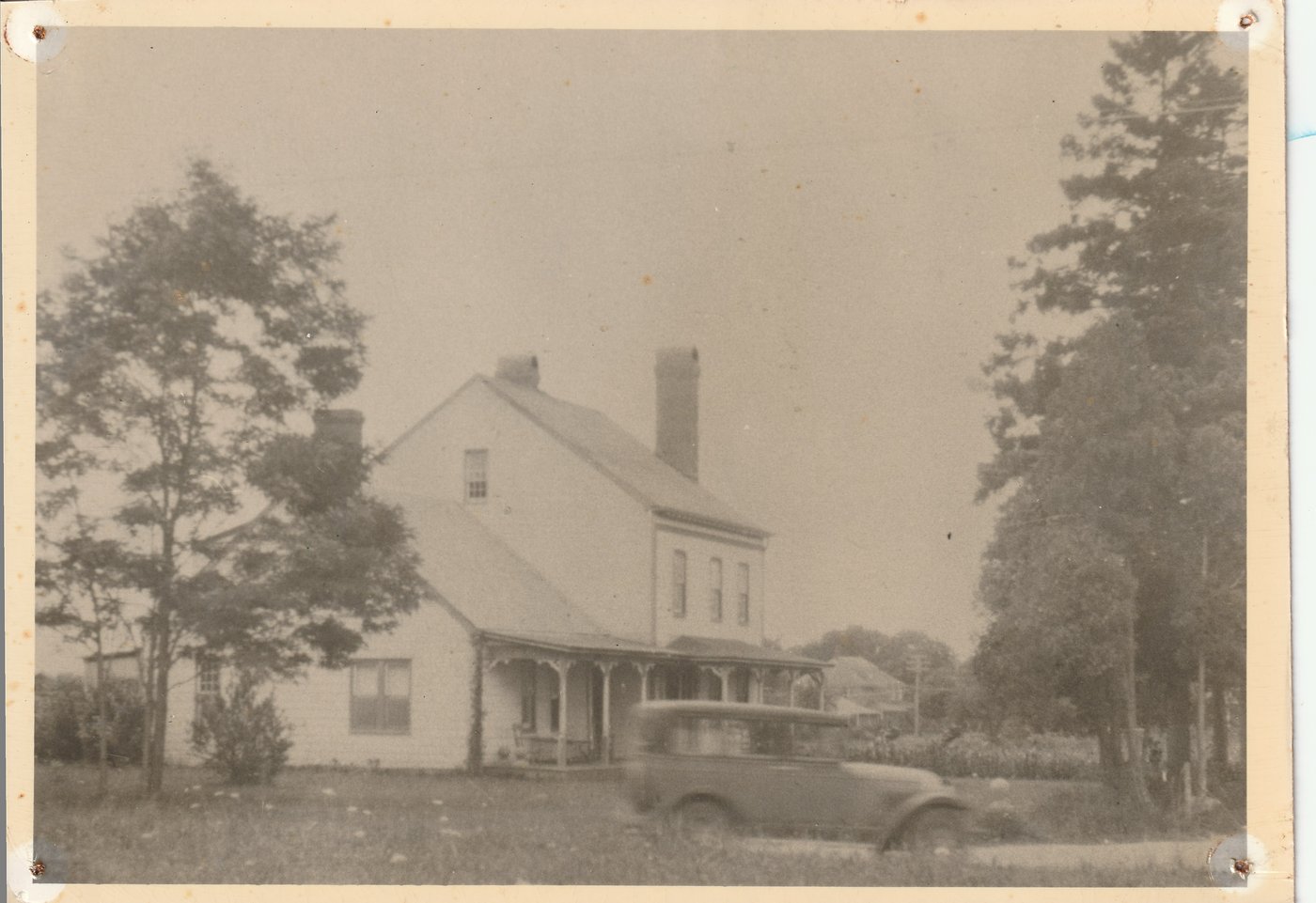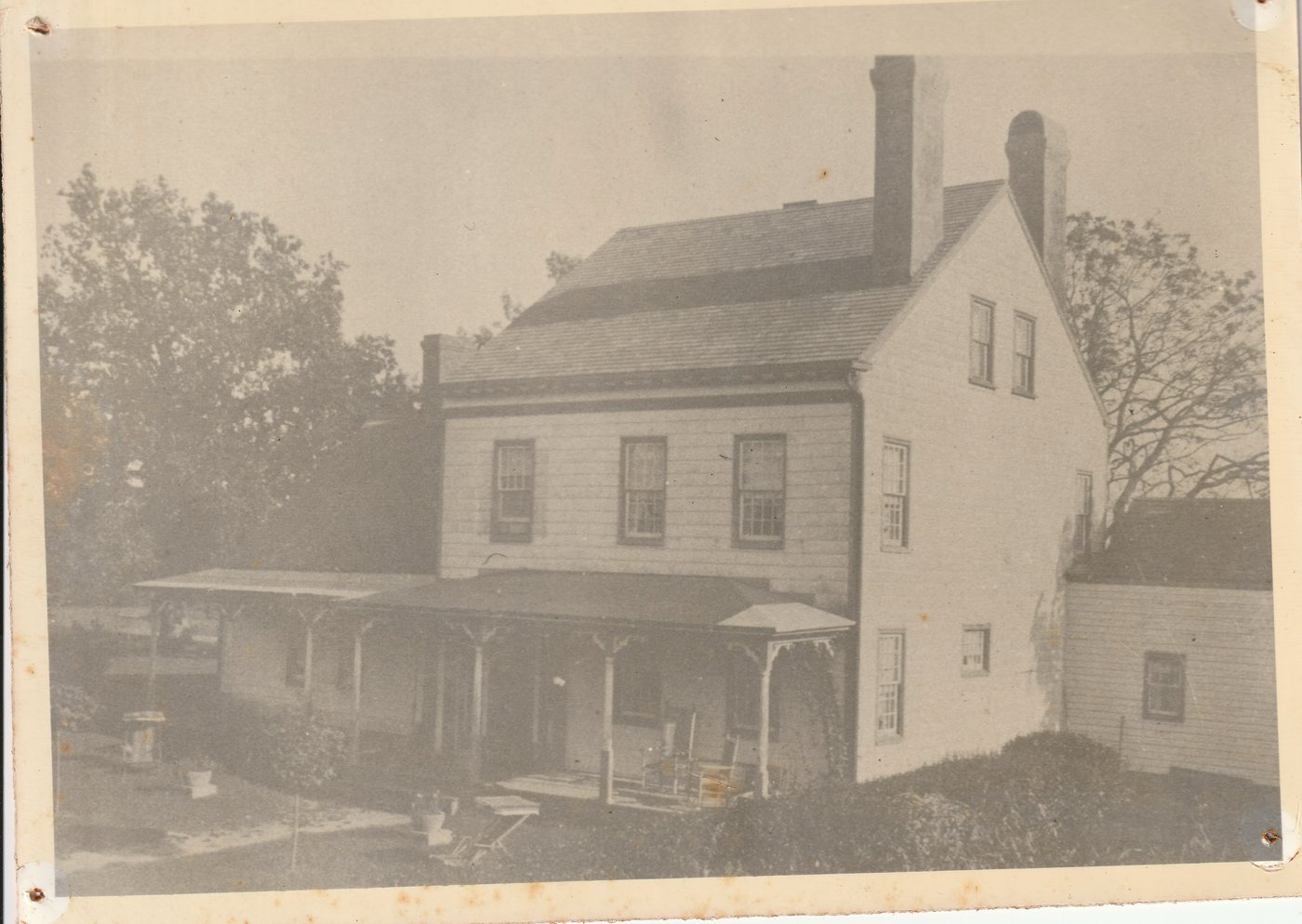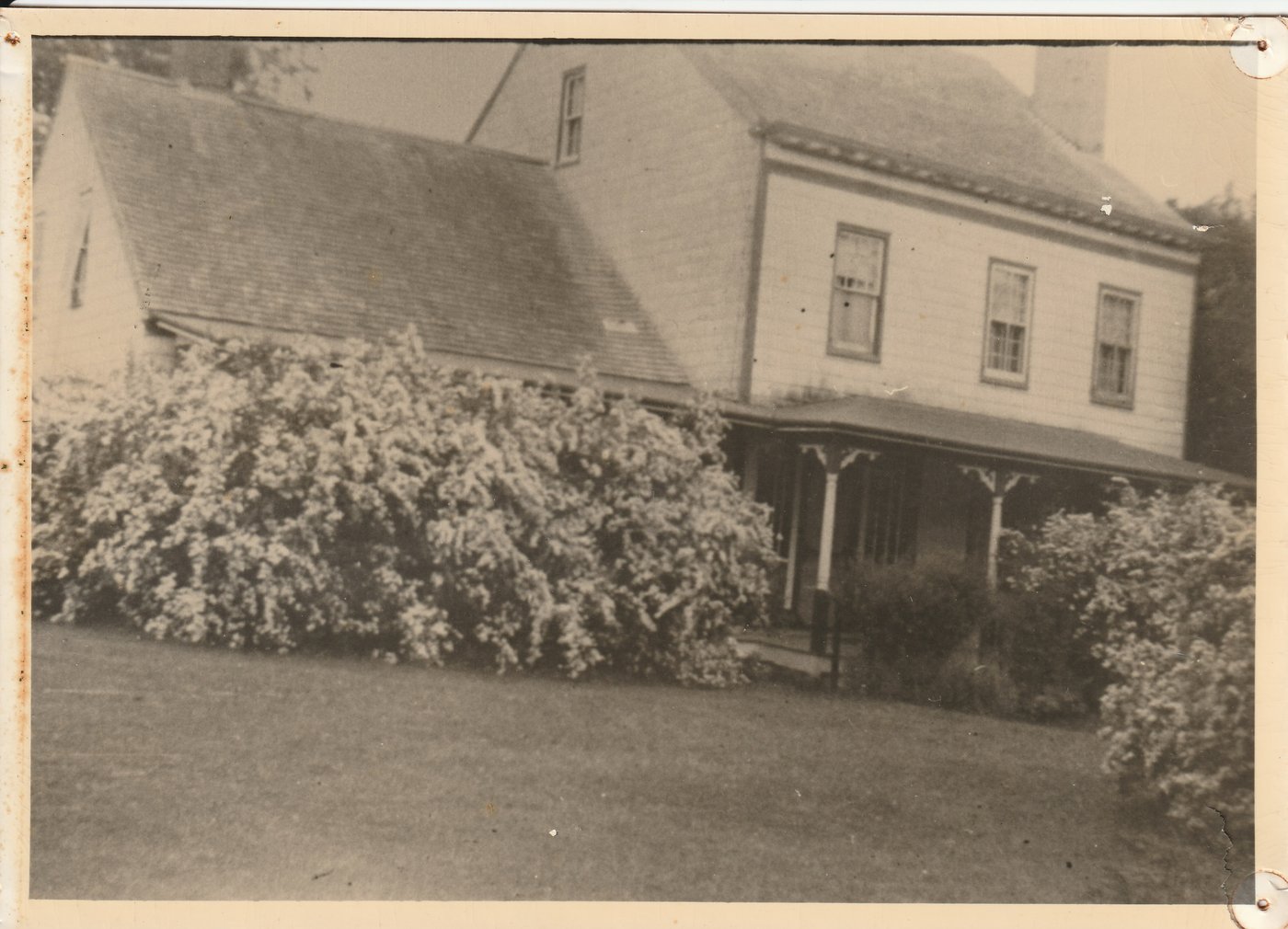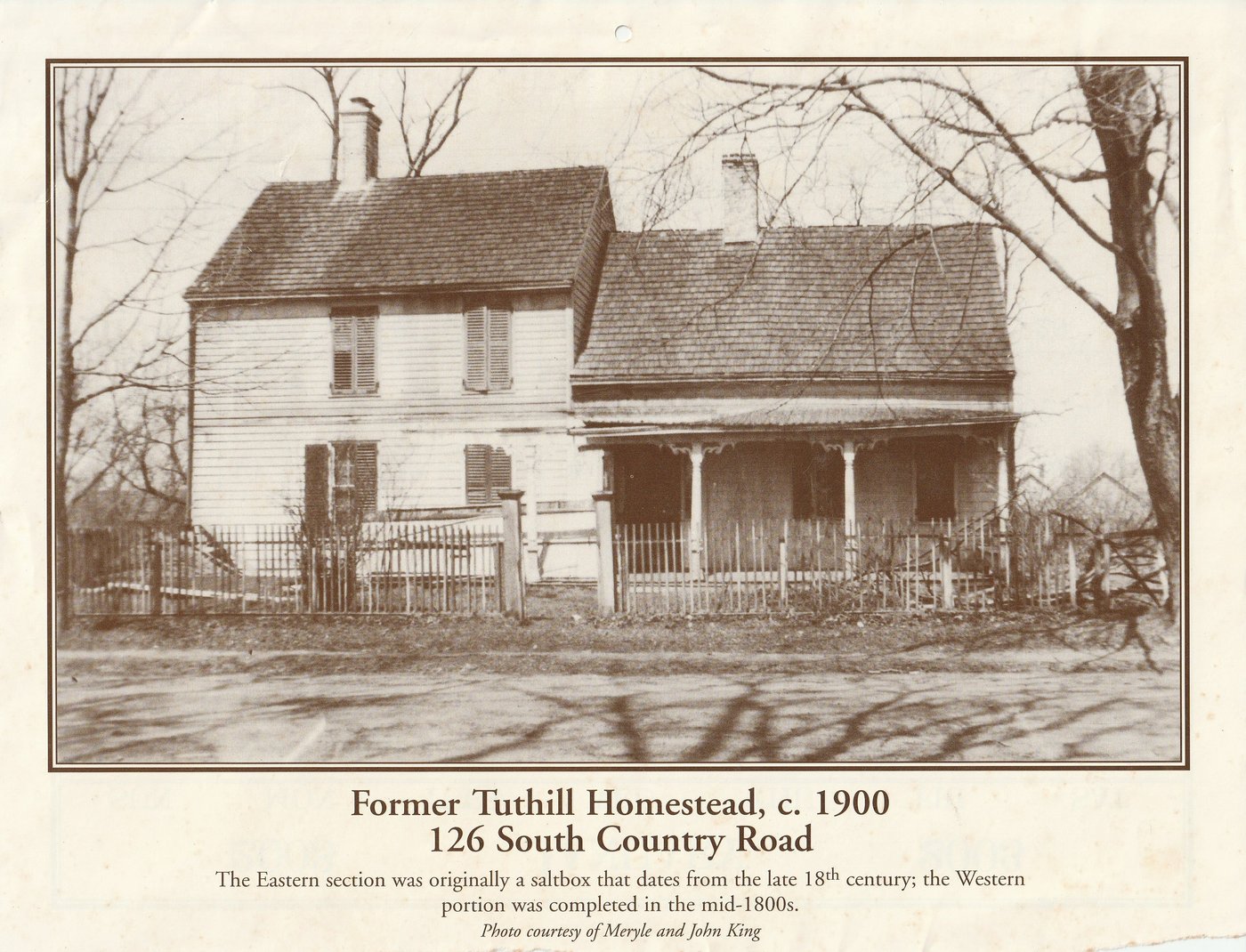
Mattituck, New York Circa 1760 Town Landmark MK-84

A house with four centuries
of North Fork history.

Built into the heart of the original Reeve family estate, where a single timber-frame farmhouse has stood quietly through the founding of a town, a Revolution, and the rise of a coastline.

Scroll
750 Reeve Avenue · Mattituck

A surviving piece of colonial America.

When the timber frame of 750 Reeve Avenue was raised around 1760, the United States did not yet exist. The house has watched the Revolution pass through its fields, the Reeve family farm be subdivided into a village, and the North Fork of Long Island transform from a colonial breadbasket into one of the most beautiful coastal landscapes on the eastern seaboard.

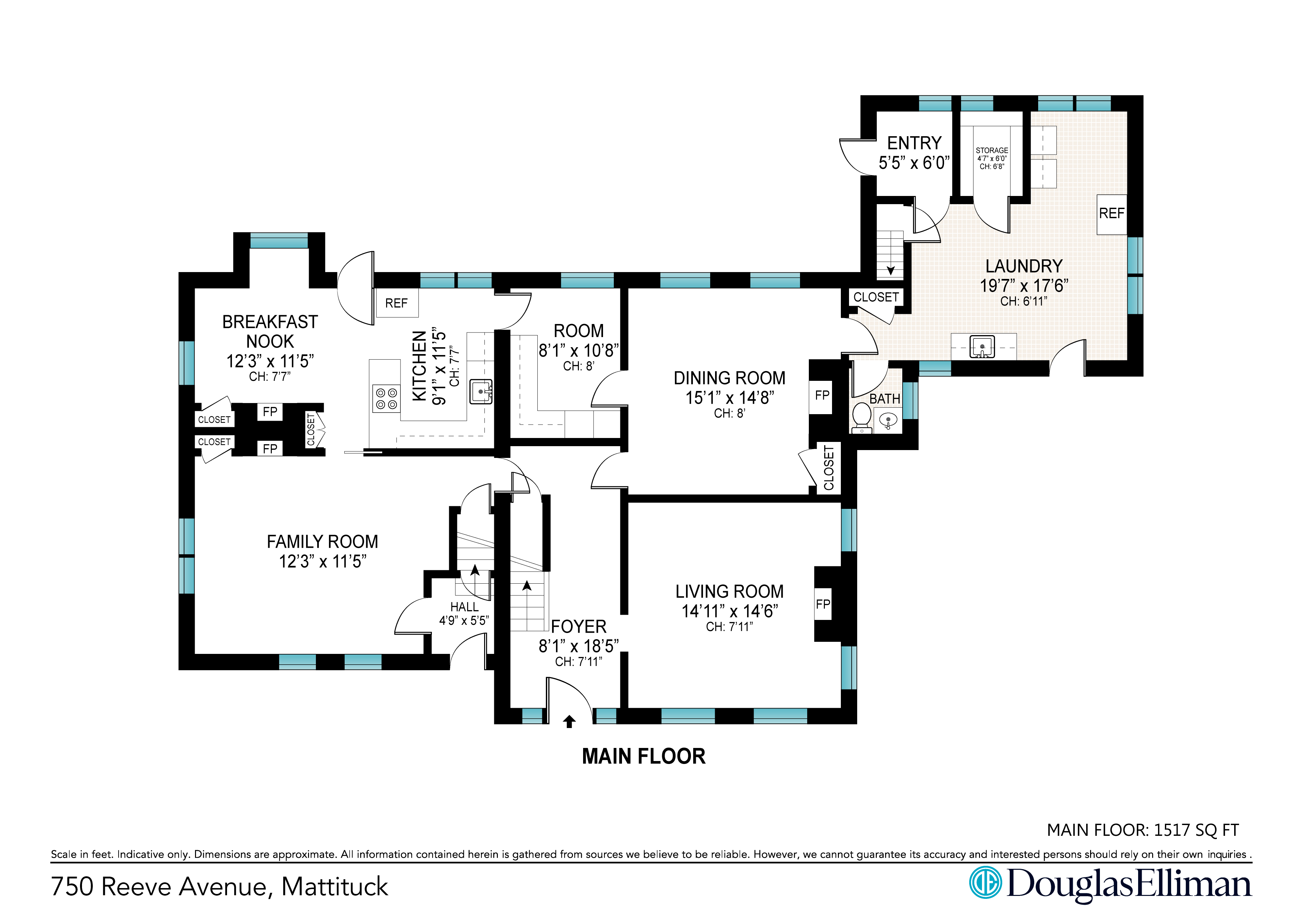
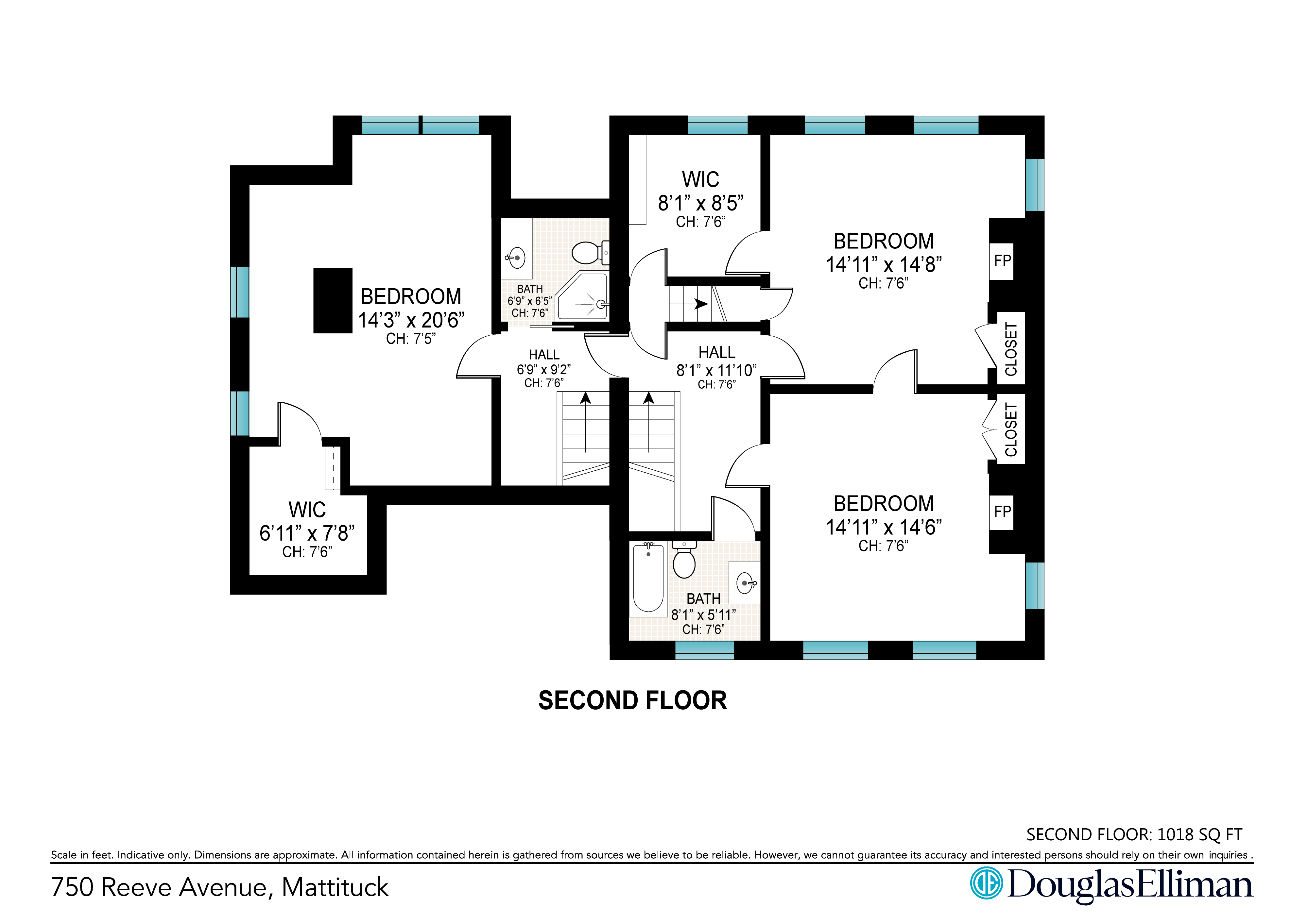
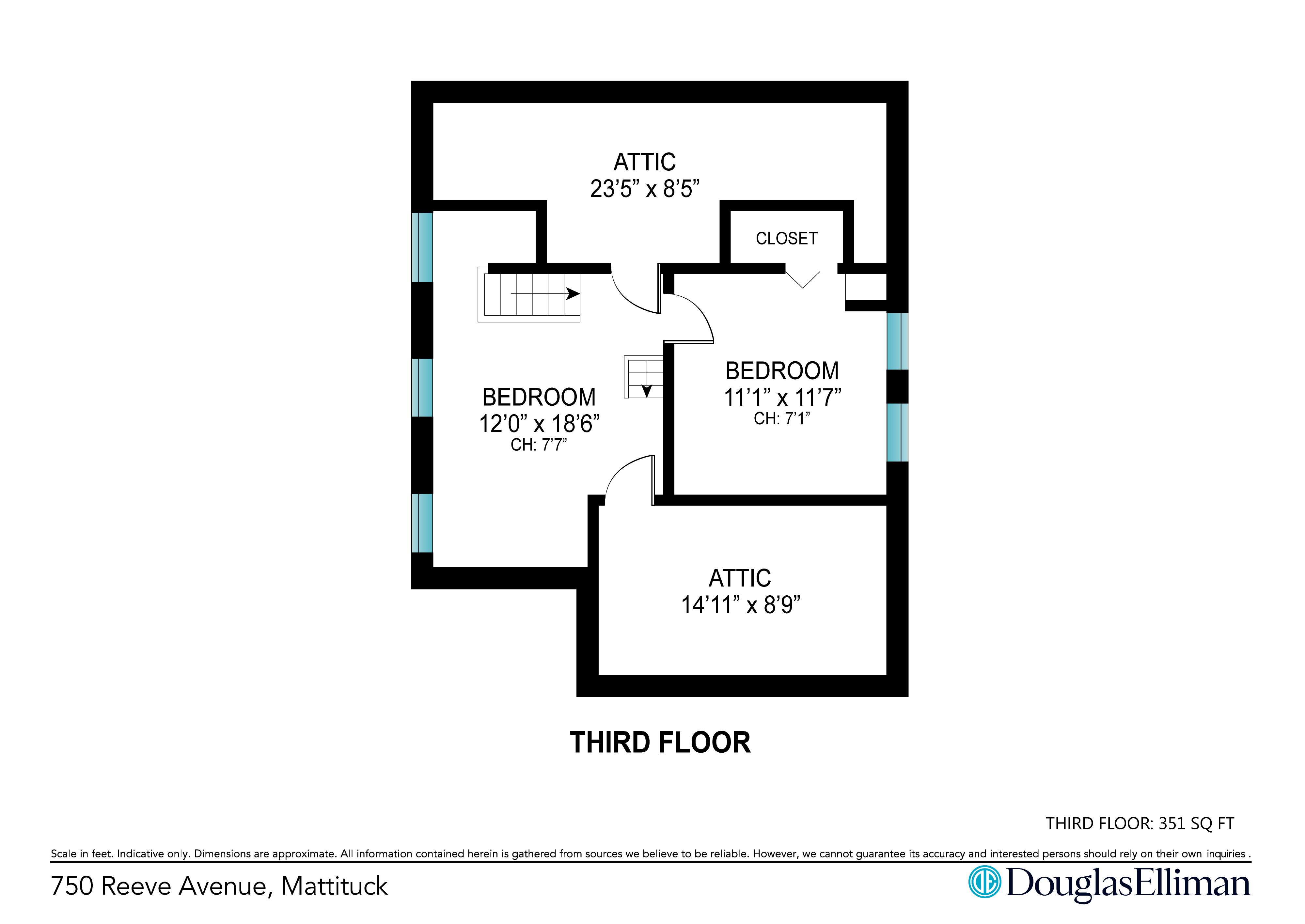
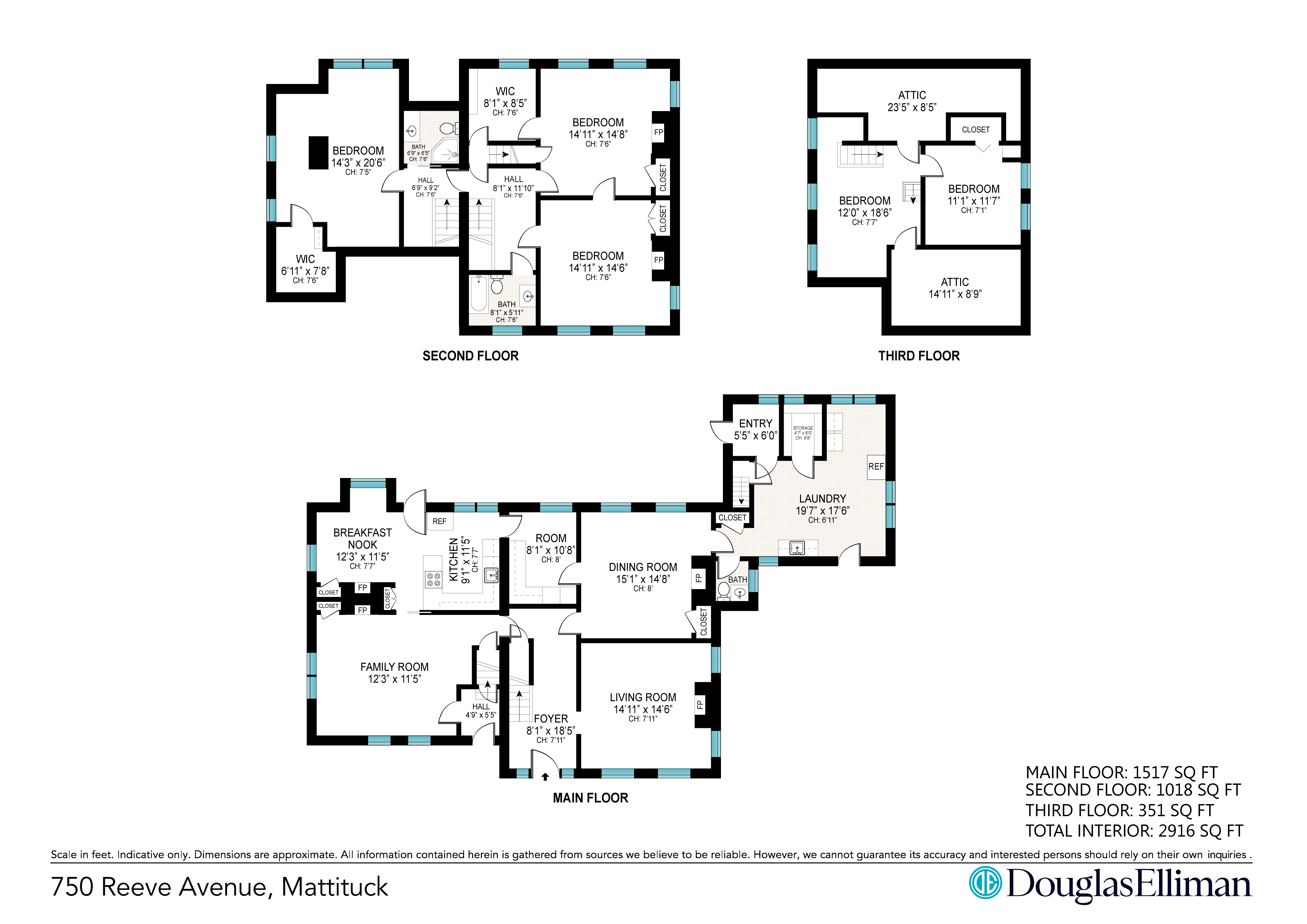
What survives is a four-bedroom, three-bath farmhouse of 3,200 square feet, set on half an acre of mature gardens — with original wide-plank floors, hand-hewn ceiling beams, six fireplaces, and a two-story carriage house. It is officially recognized by the Town of Southold Landmarks Preservation Commission as Reeve-Pim House, MK-84.

Offered Exclusively by Douglas Elliman
$1,250,000.
Private & Public Showings by Appointment
c.1760
Year Built
4
Bedrooms
3
Bathrooms
6
Fireplaces
3,200
Square Feet
.51
Acres
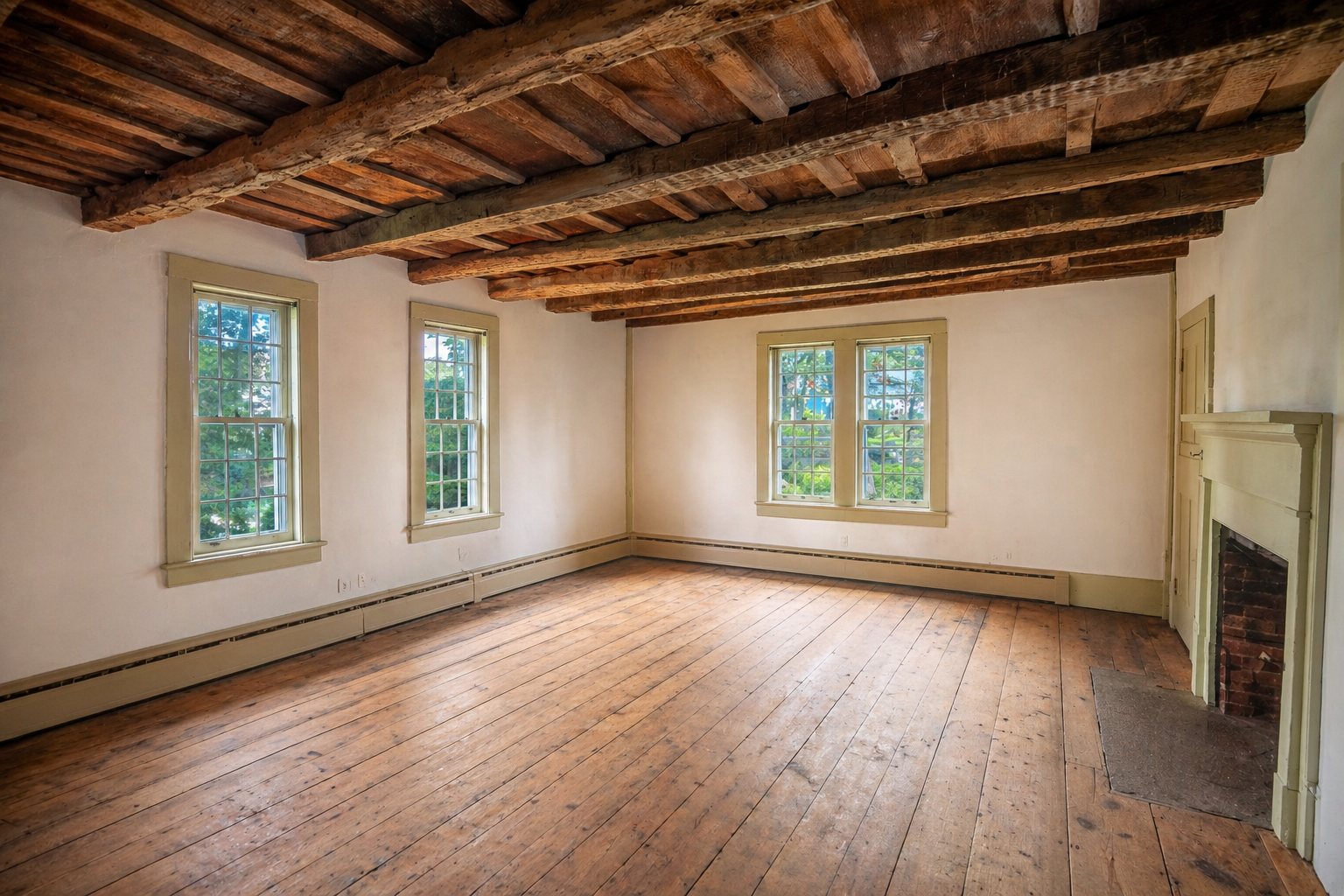
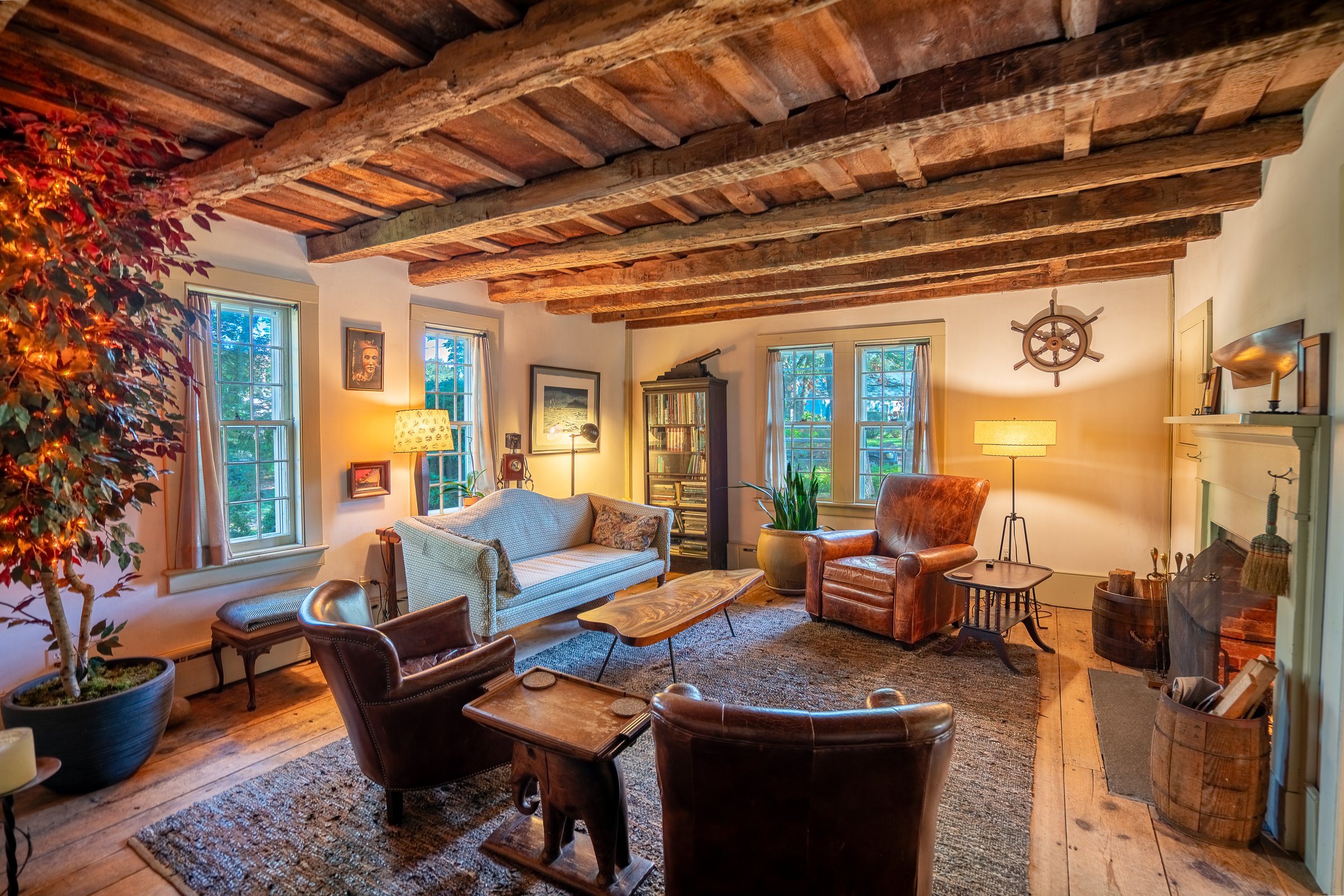
Hand-hewn beam ceiling, original 1760 timber frame
Hand-hewn beam ceiling · Living Room
The Original Timber Frame

Beams hewn by hand, more than two centuries before yours.

The ceiling beams of the front living room have been here since the home was raised. You can still see the marks of the broadaxe — each beam shaped by a single craftsman, fitted to its neighbors with mortise-and-tenon joinery and pegged with white oak.

This is the kind of detail that cannot be rebuilt. It can only be inherited.
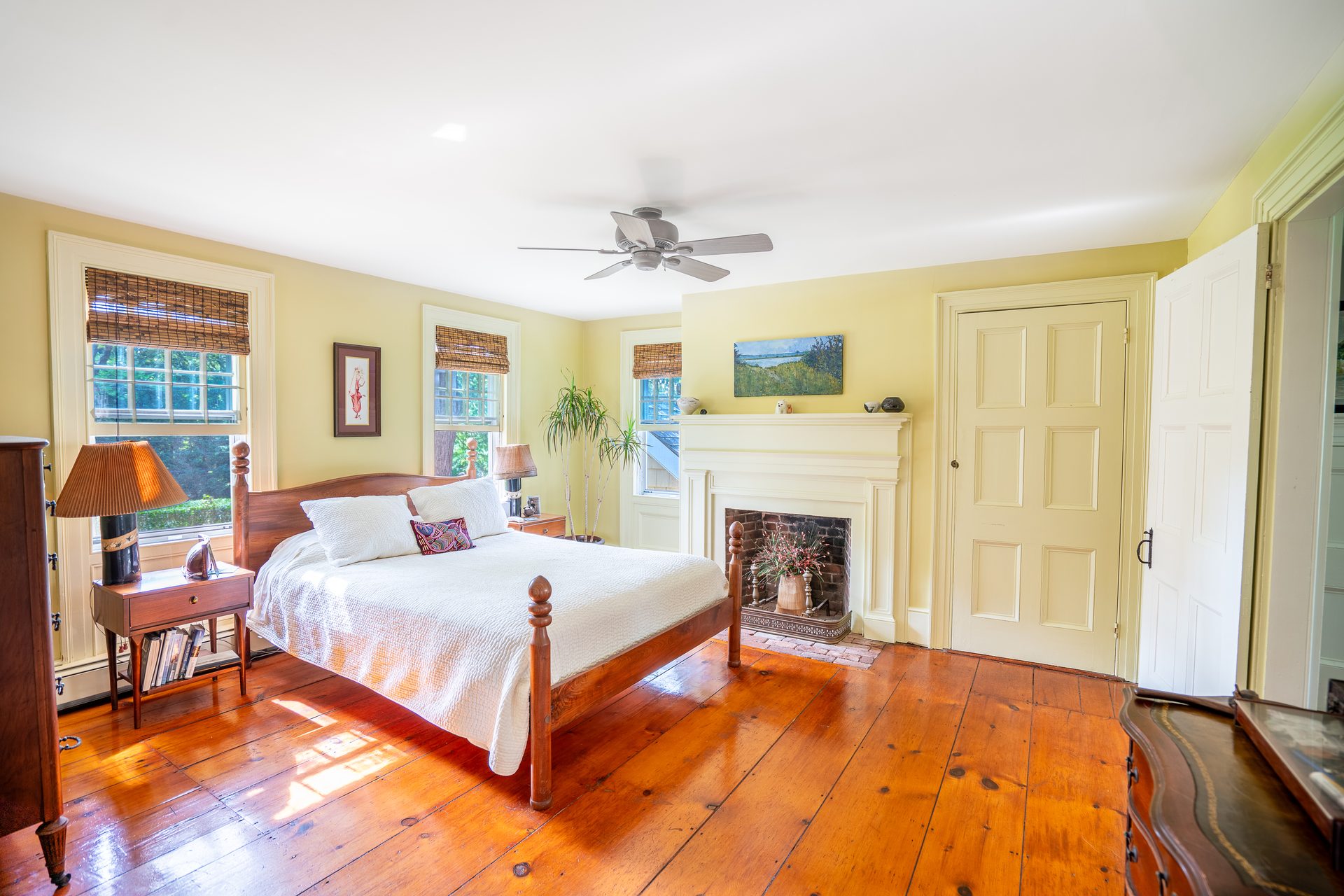
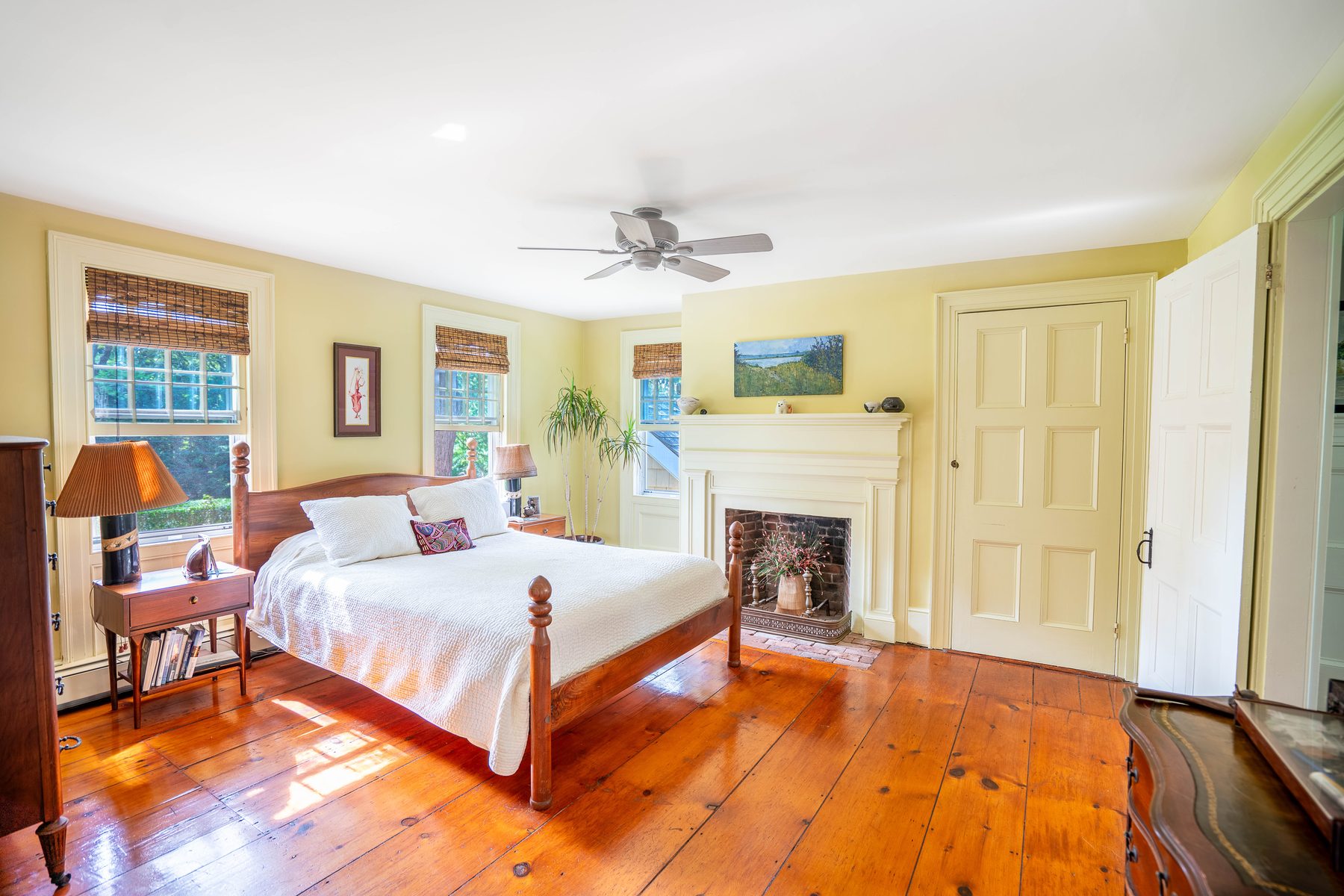
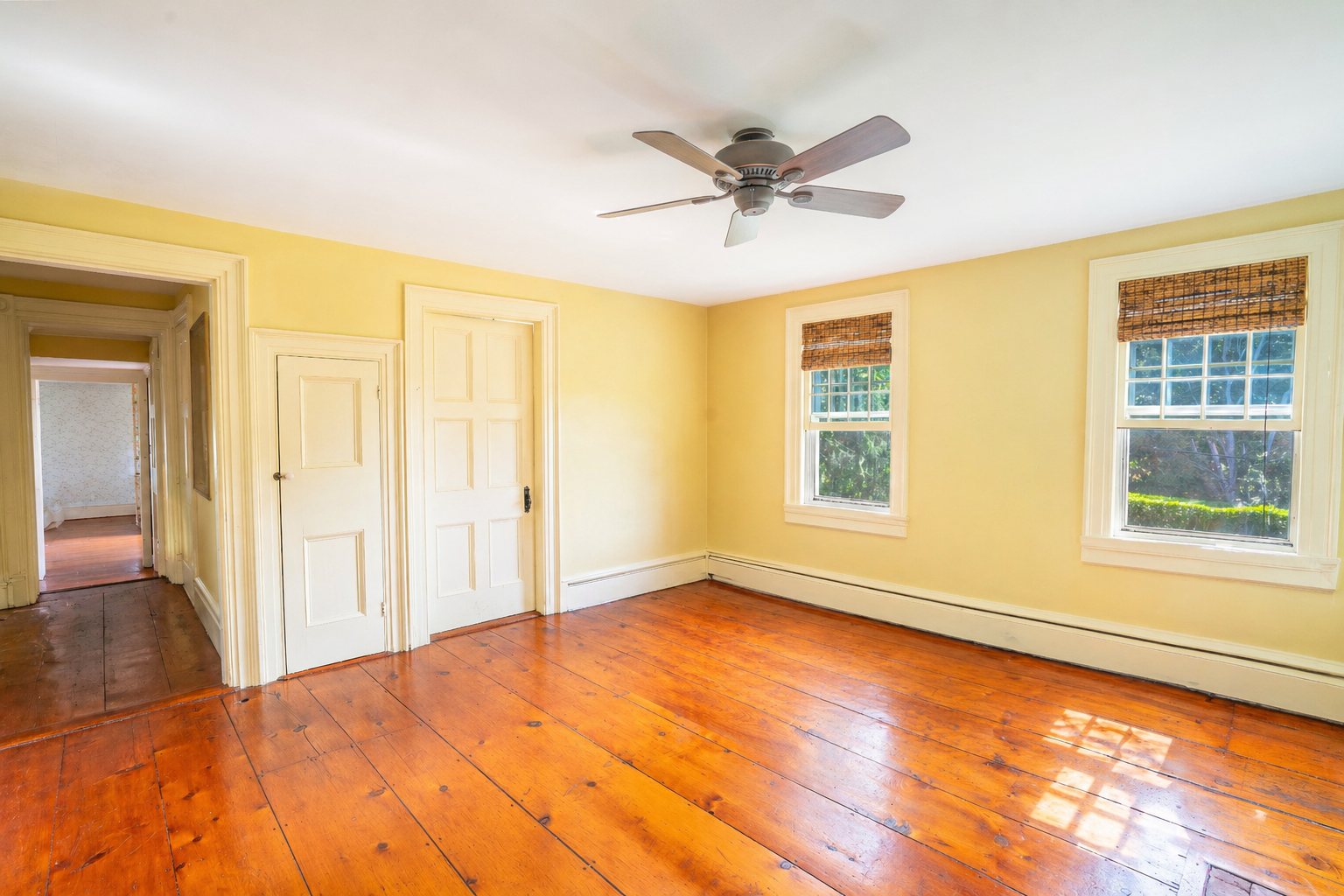
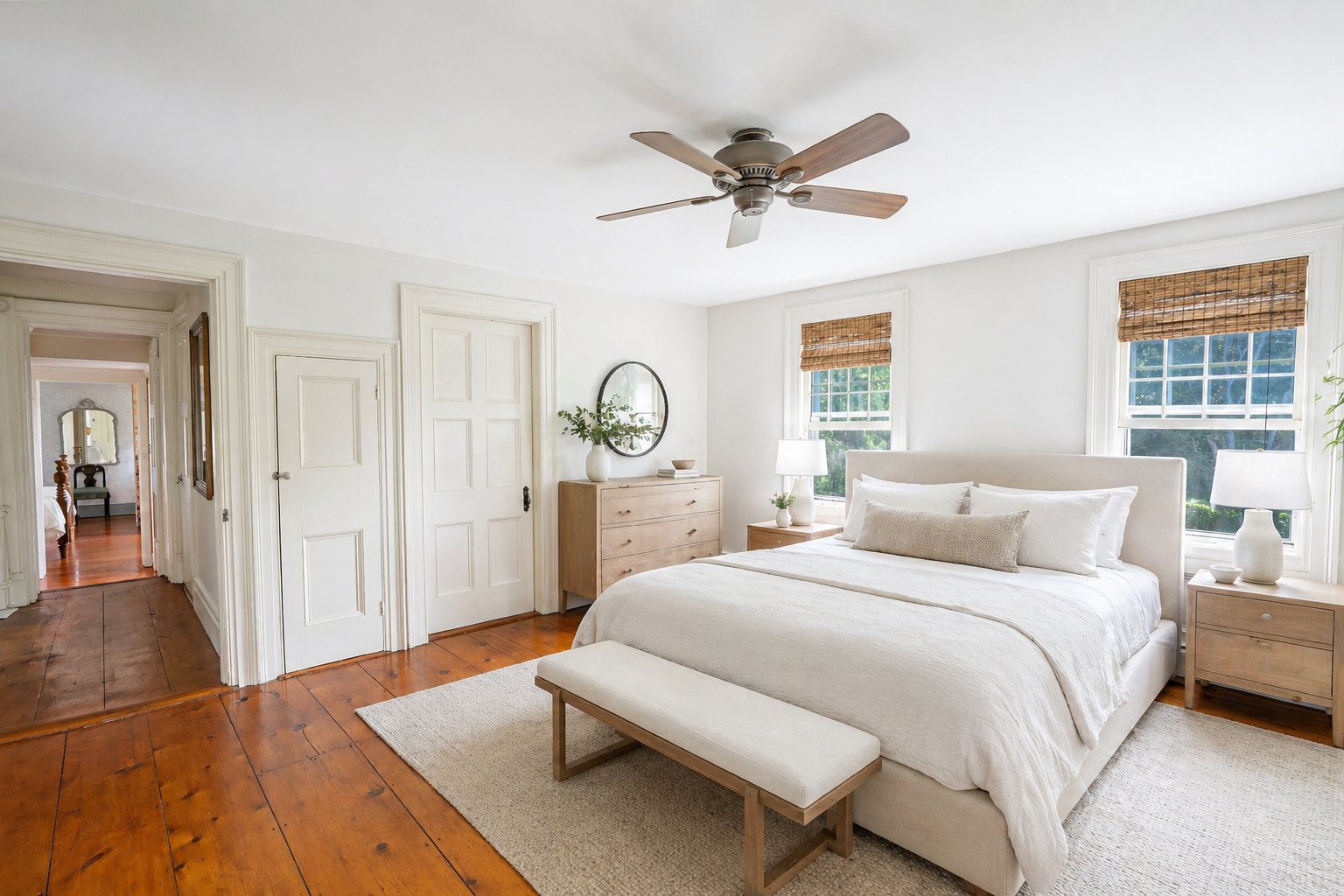
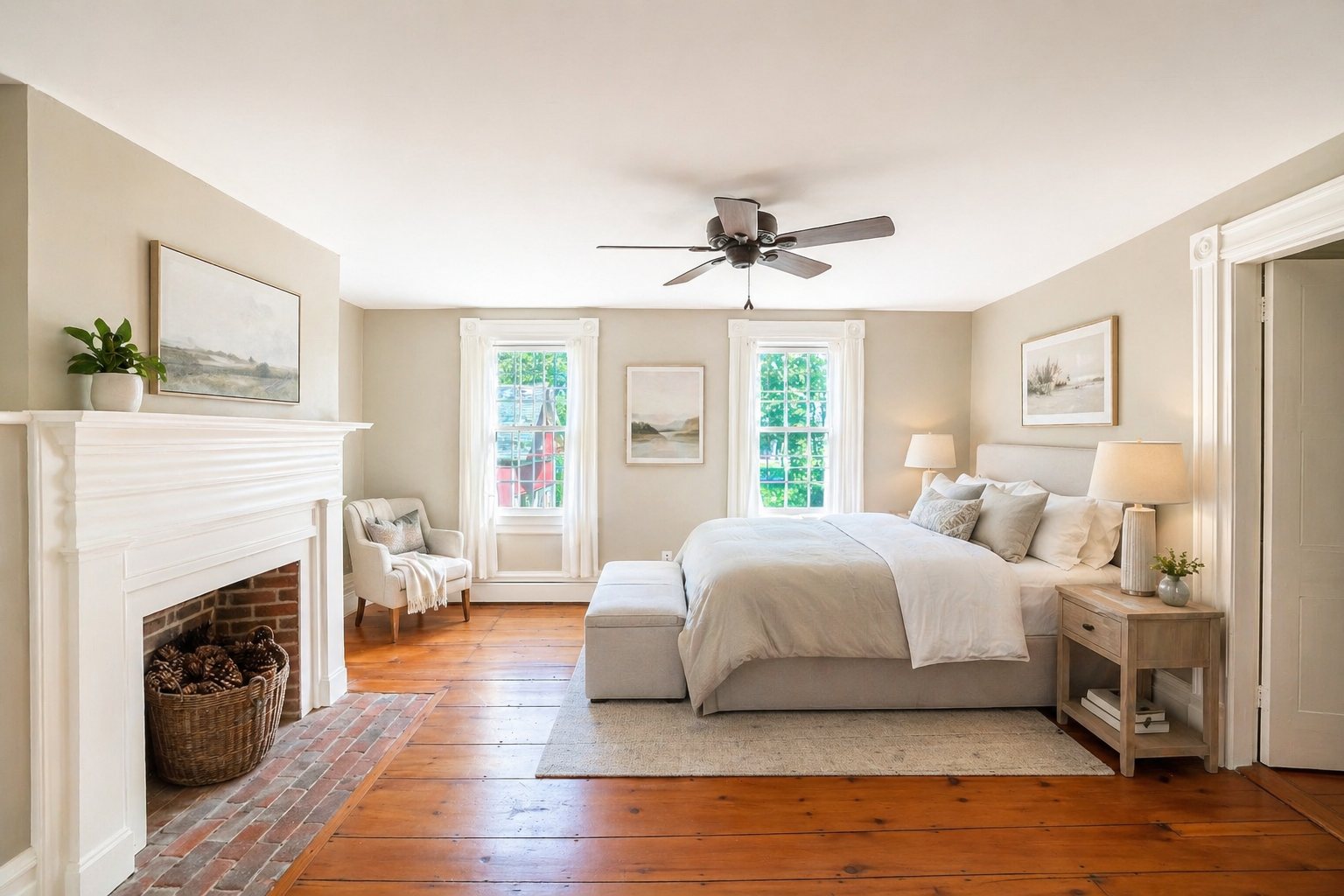
Original wide-plank pumpkin pine floors
Wide-plank pumpkin pine floors · Primary Bedroom
1700s Wide-Plank Floors

Floorboards as wide as a man's stride.

The floors throughout much of the house are original pumpkin pine — boards eighteen and twenty inches wide, cut from old-growth timber that no longer exists in the eastern United States.

They have been walked on by ten generations. Sanded gently, oiled, and left to keep their honest patina.

Original mantel and fireplace
Original mantelpiece · Formal Living Room
Six Fireplaces

Six chimneys, all still drawing.

Every original fireplace in the house remains intact and functional, each with its hand-built mantel and brick hearth. The kitchen retains its working brick beehive oven — used for two-and-a-half centuries to bake bread on cold North Fork mornings.

One fireplace warms the formal parlor. Another anchors the keeping room. A third stands in the primary bedroom. Three more throughout the house.

Imagine It Yours

The same rooms, reimagined.

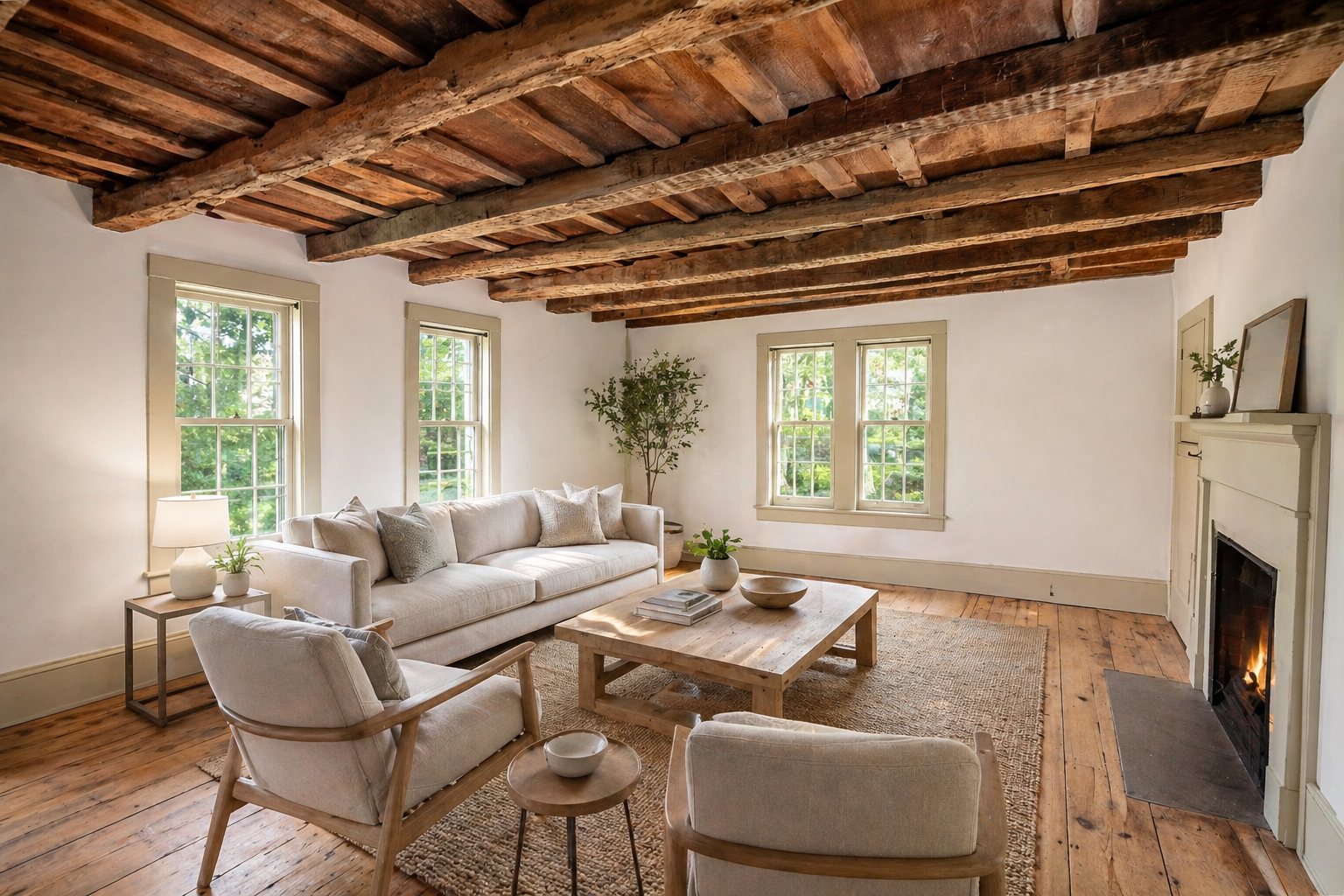
Drag each handle to slide between the home as it stands today and the home as it could feel — a glimpse of how the original wide-plank floors, brick chimneys, and beam ceilings live alongside a calm, modern hand. Move slowly. Look at the floors.

The Primary Bedroom

Wide-plank pumpkin pine, c.1760
Primary bedroom — as it stands today
Primary bedroom — reimagined
As It Is
Reimagined

The Beamed Living Room

Hand-hewn timber ceiling · Original brick hearth
Beamed living room — as it stands today
Beamed living room — reimagined
As It Is
Reimagined

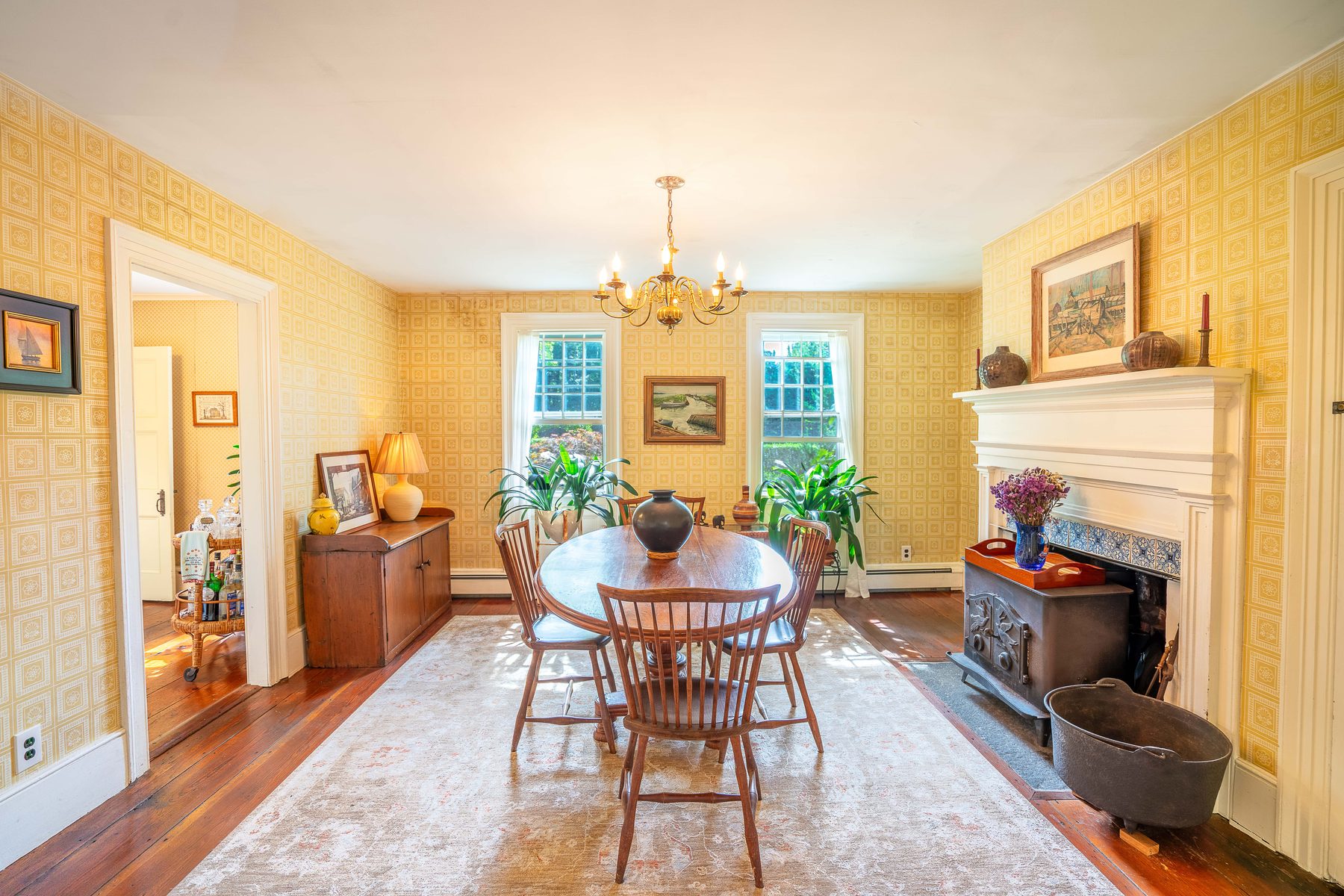
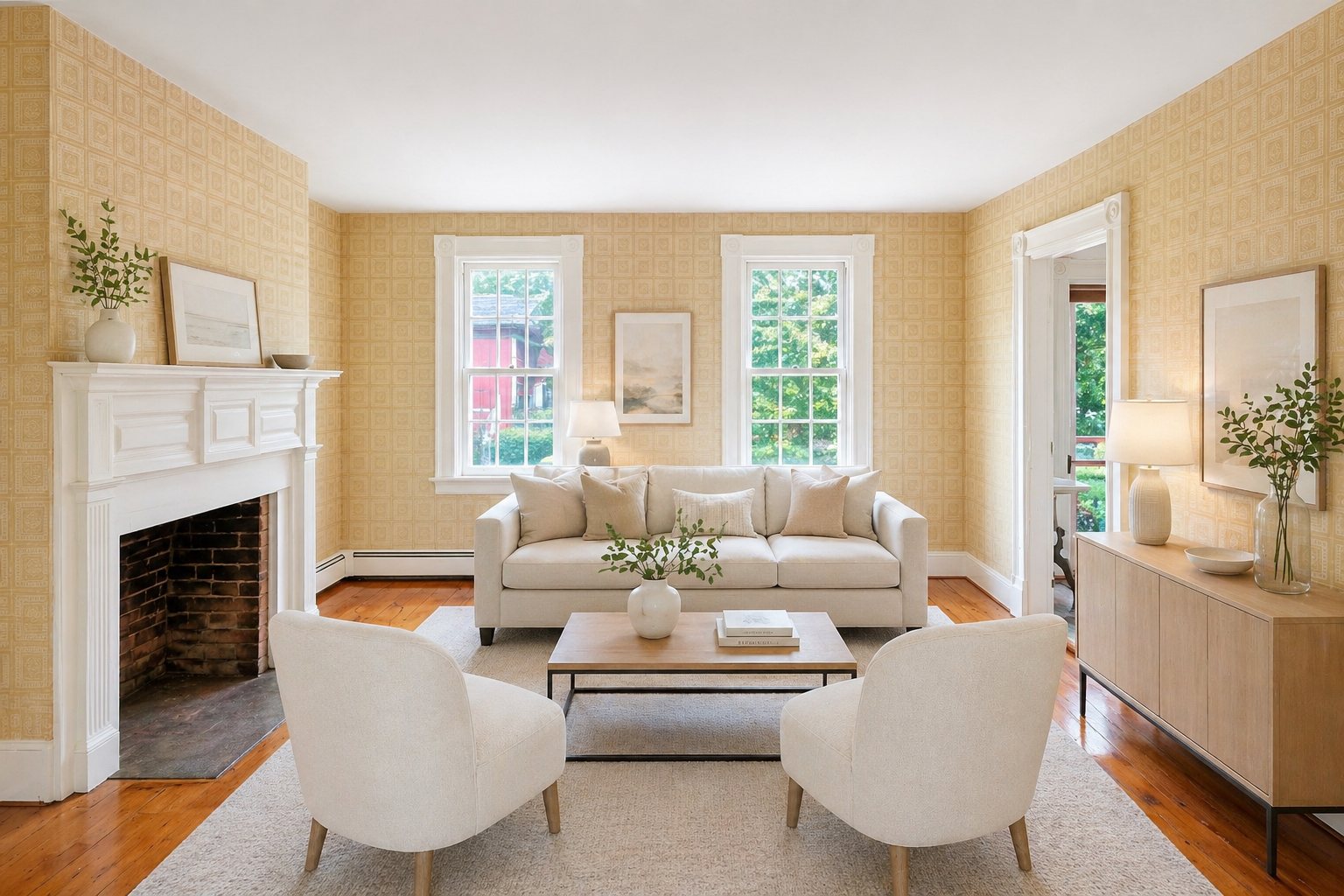
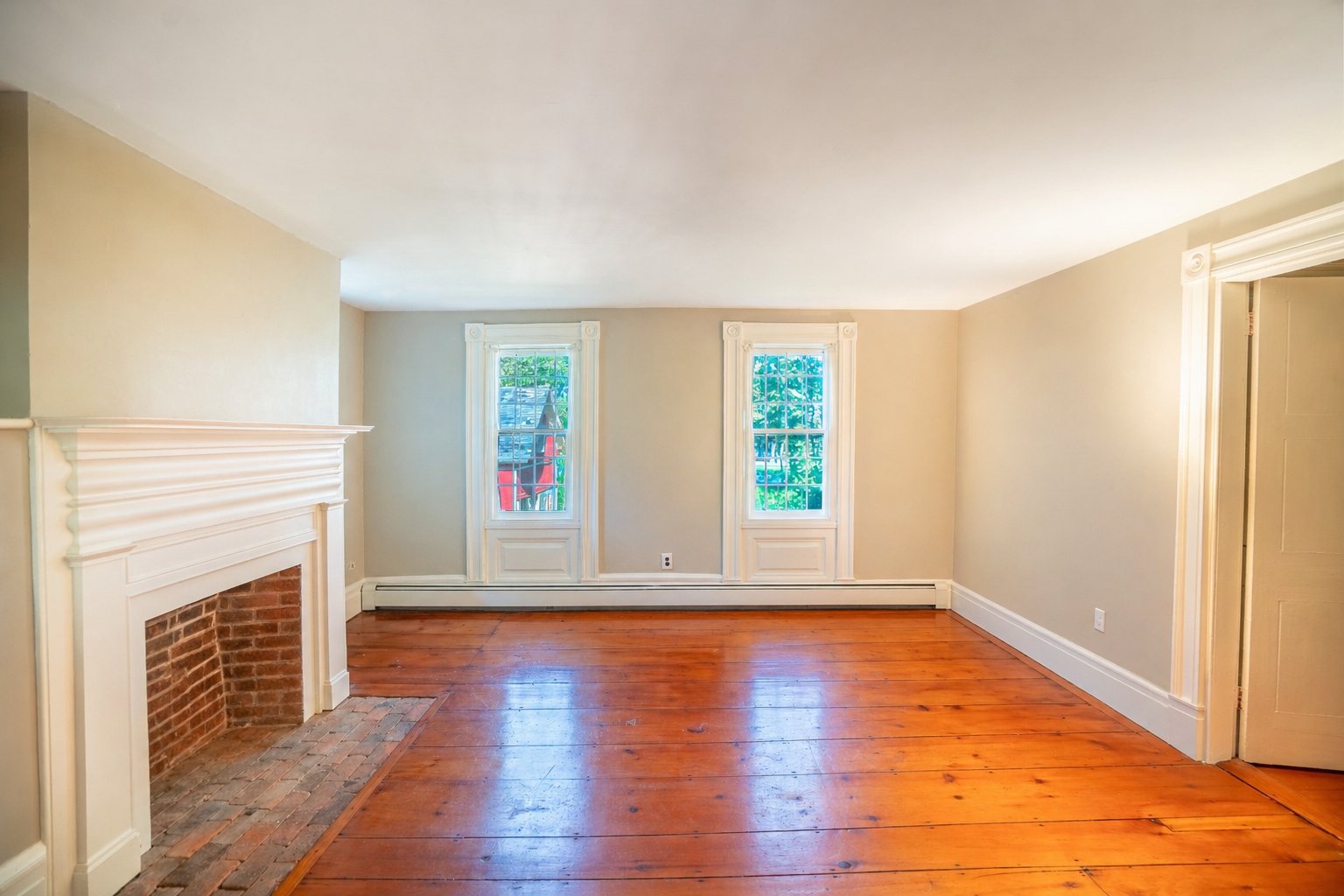
The Formal Parlor

Original mantel · Wide-plank floors
Formal parlor — as it stands today
Formal parlor — reimagined
As It Is
Reimagined

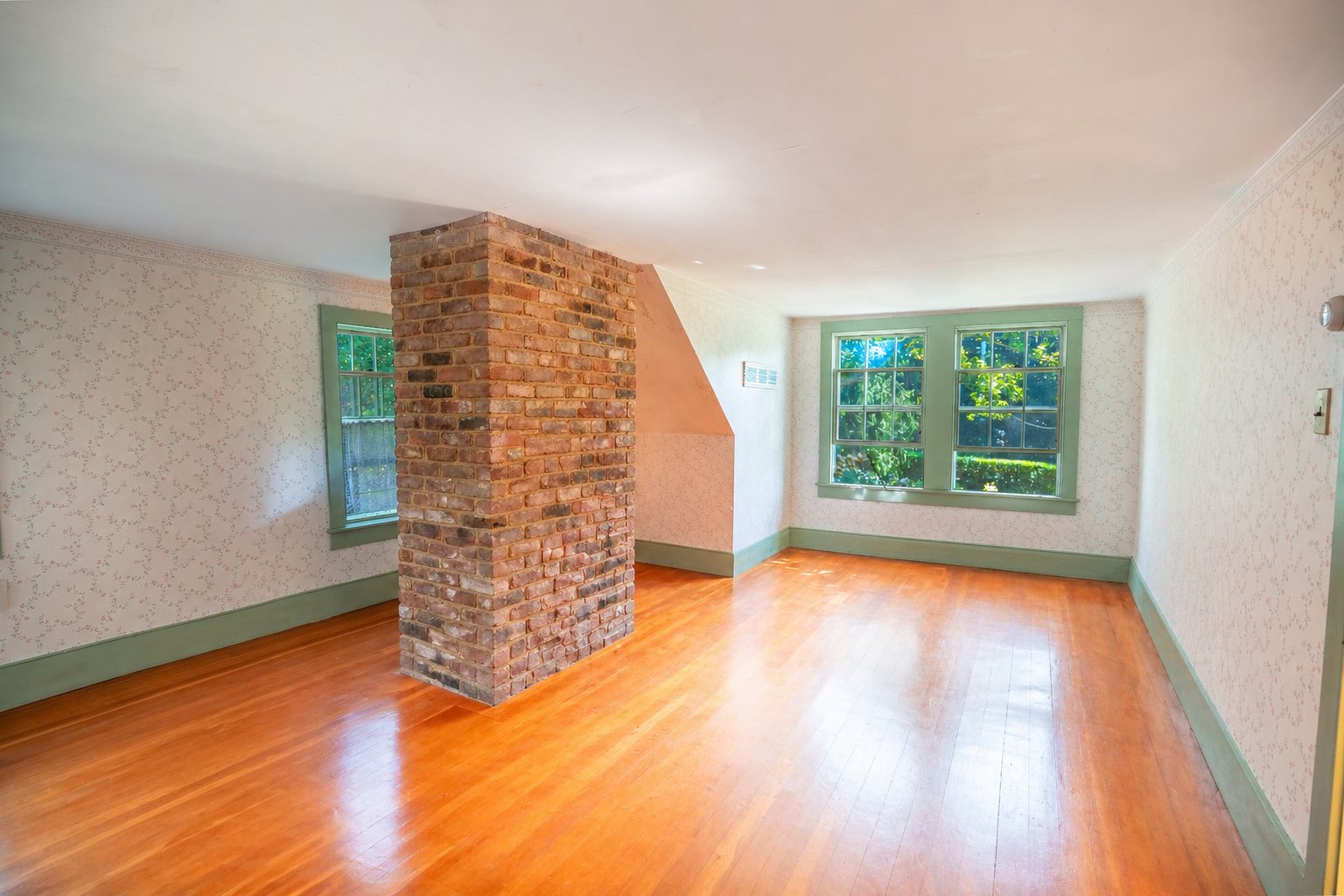
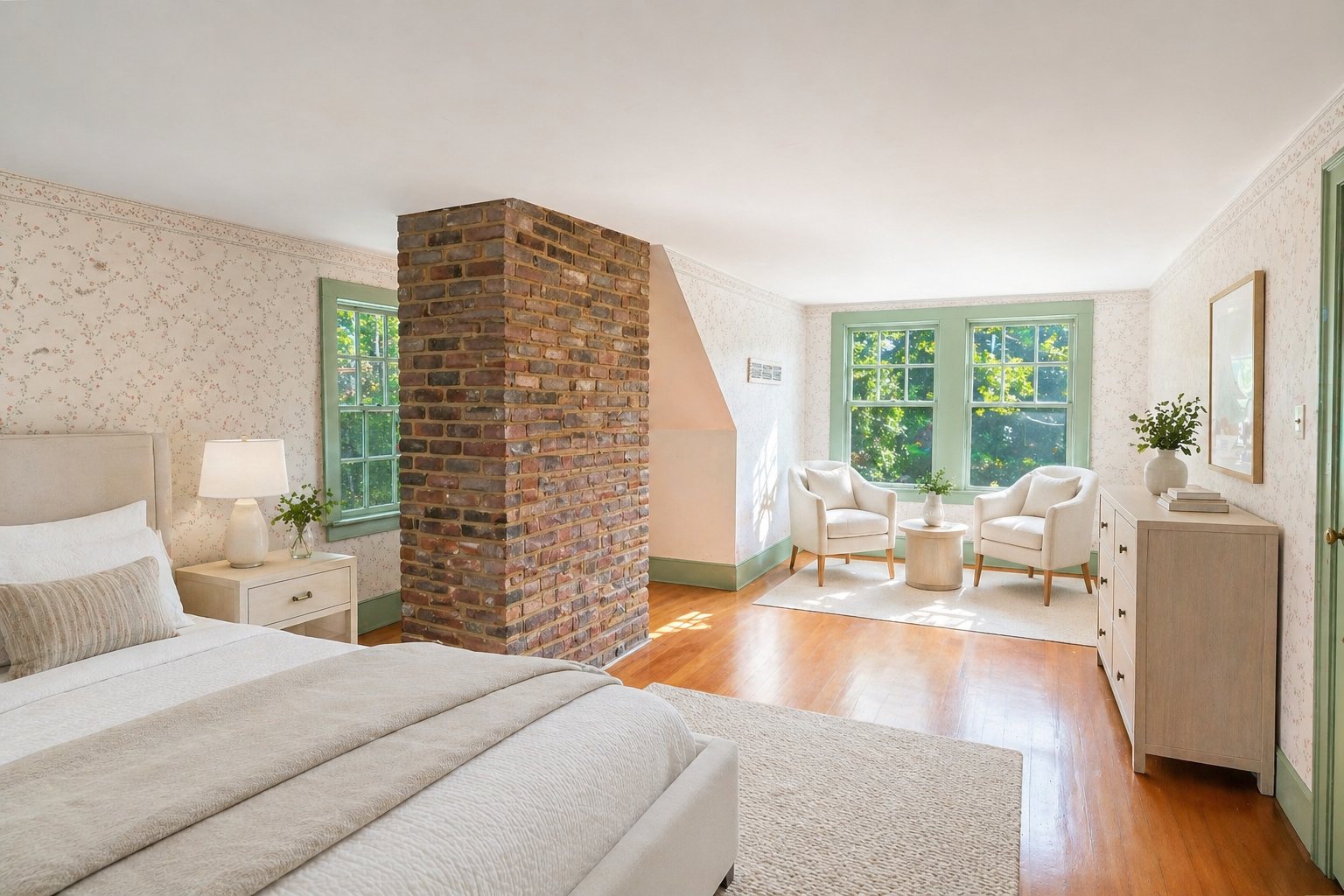
The Brick-Chimney Bedroom

Original brick masonry passing through the room
Brick chimney bedroom — as it stands today
Brick chimney bedroom — reimagined
As It Is
Reimagined

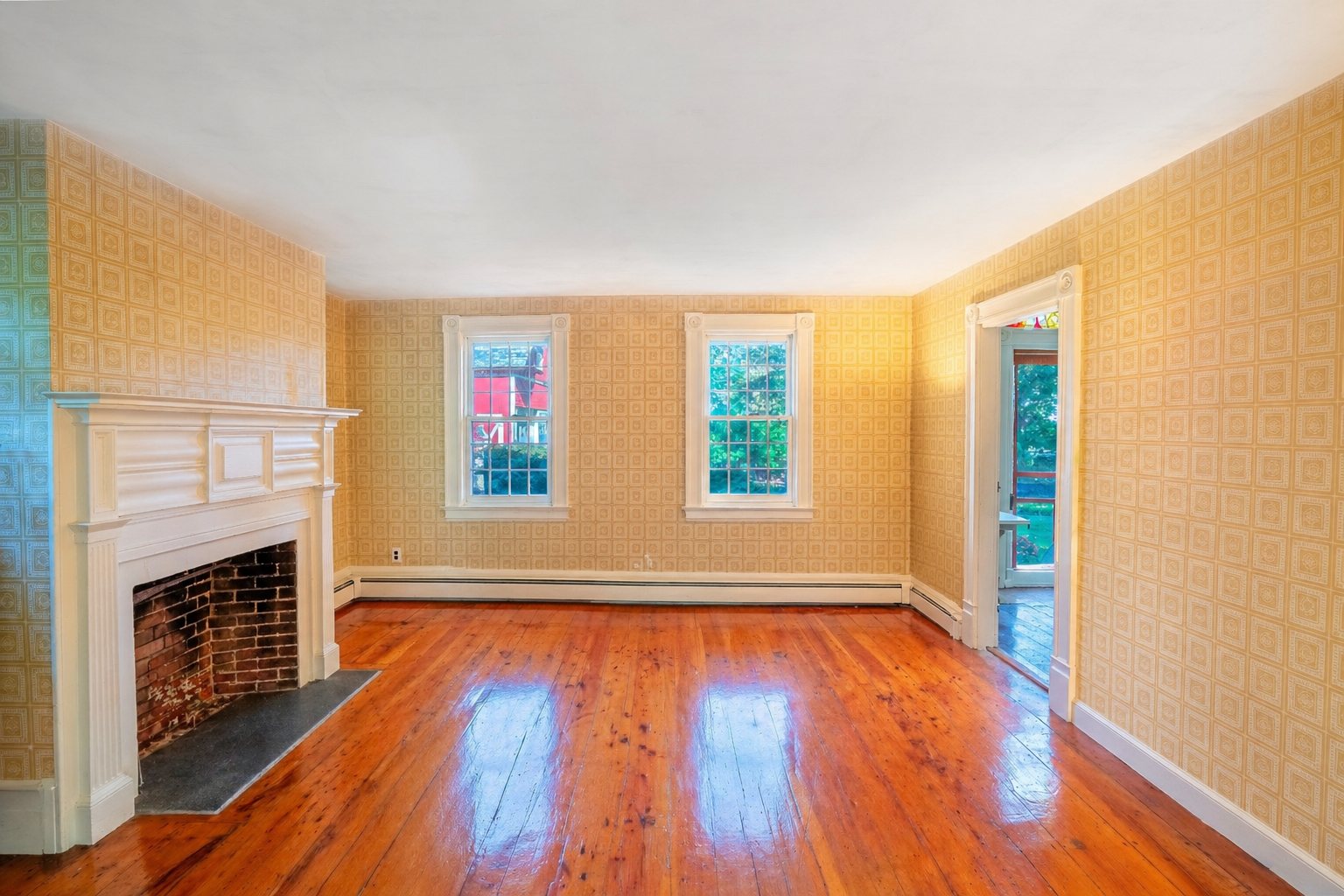
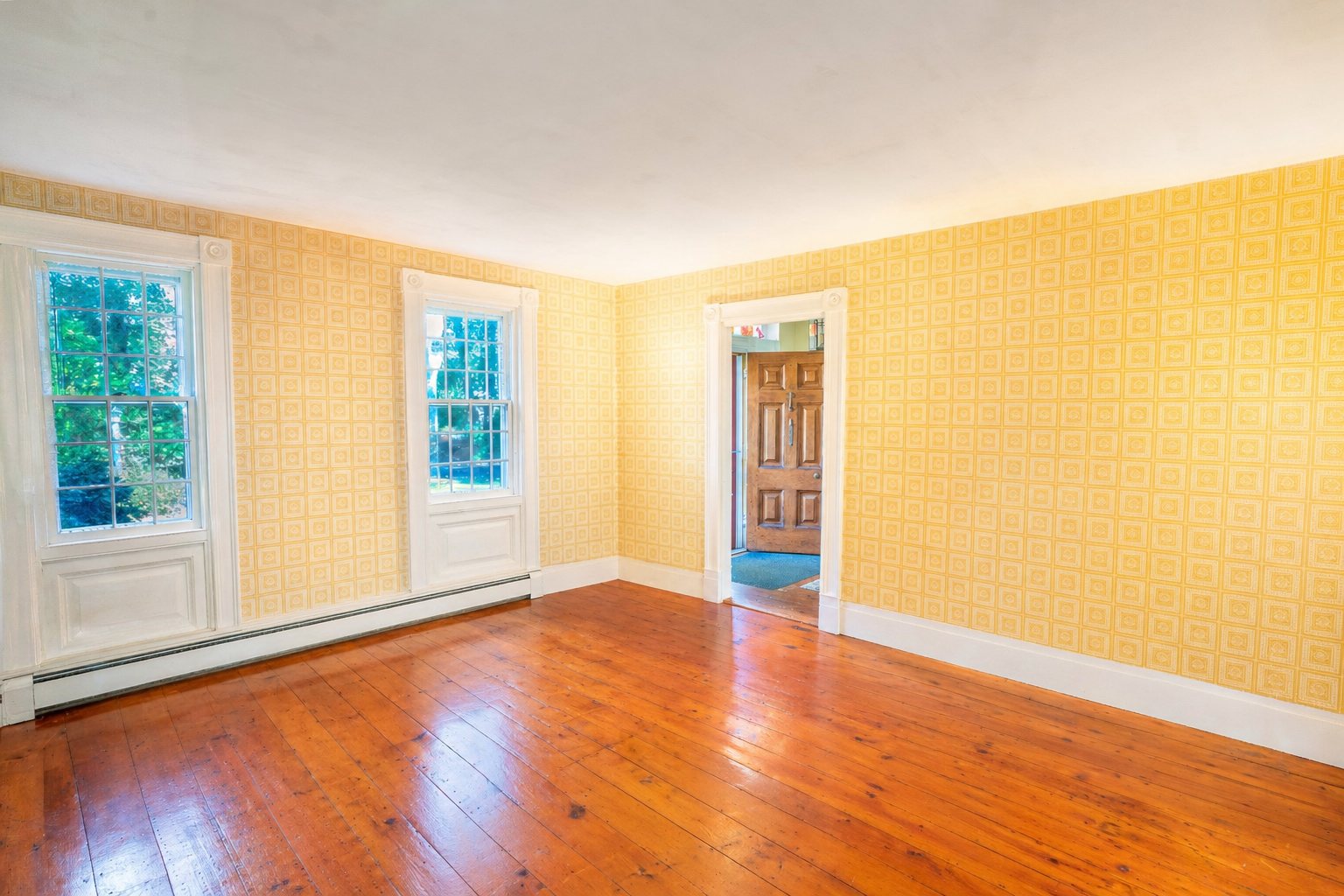
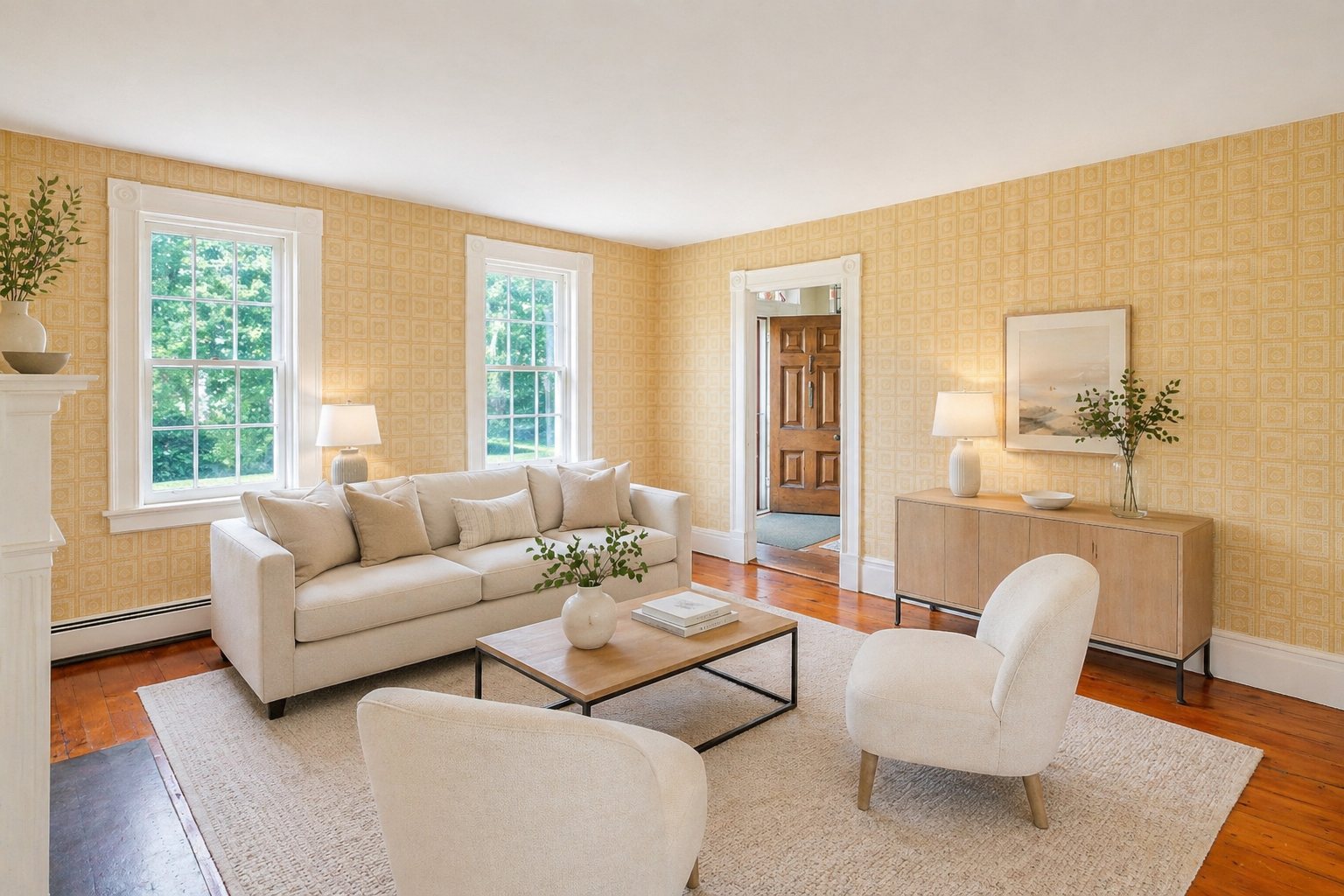
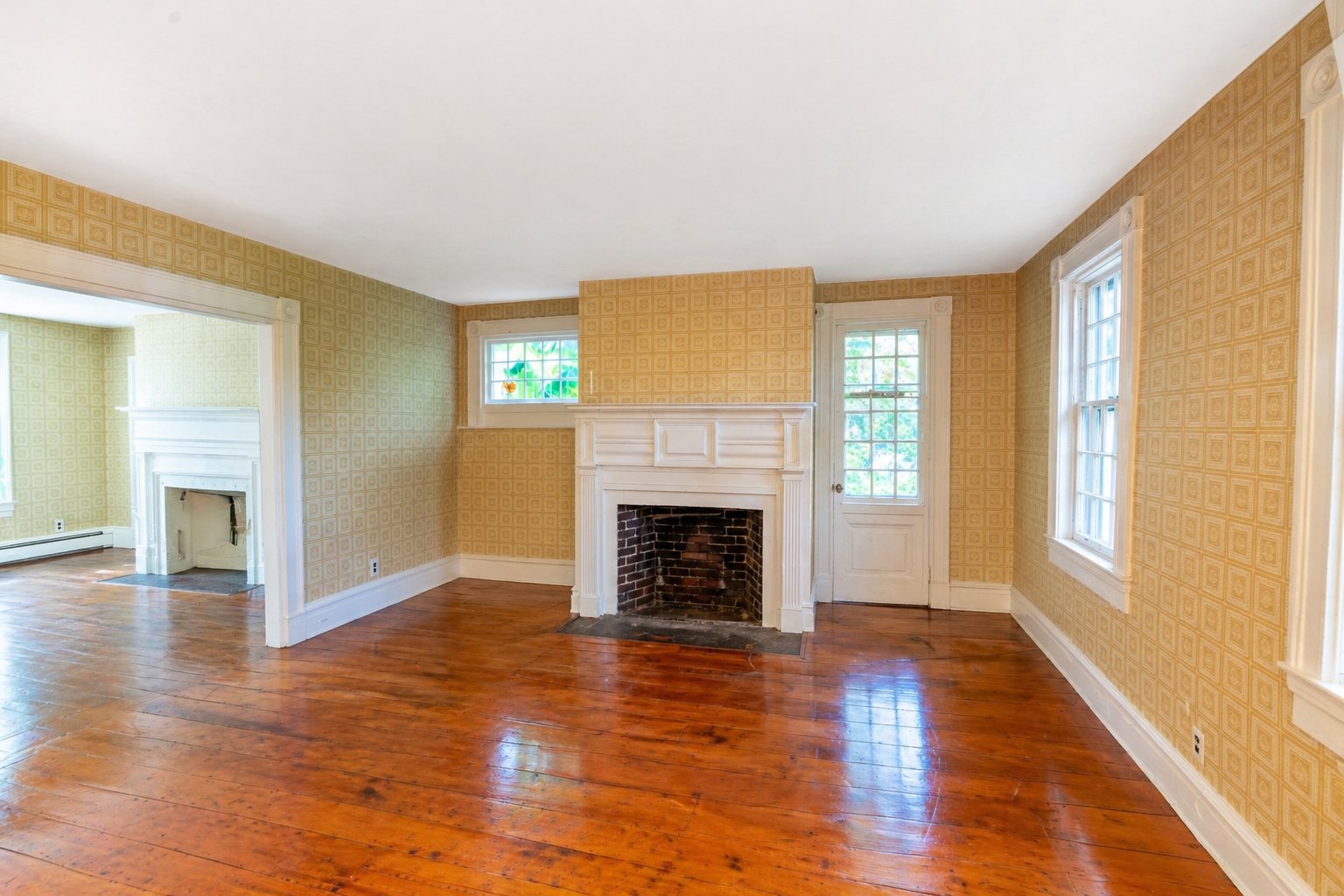
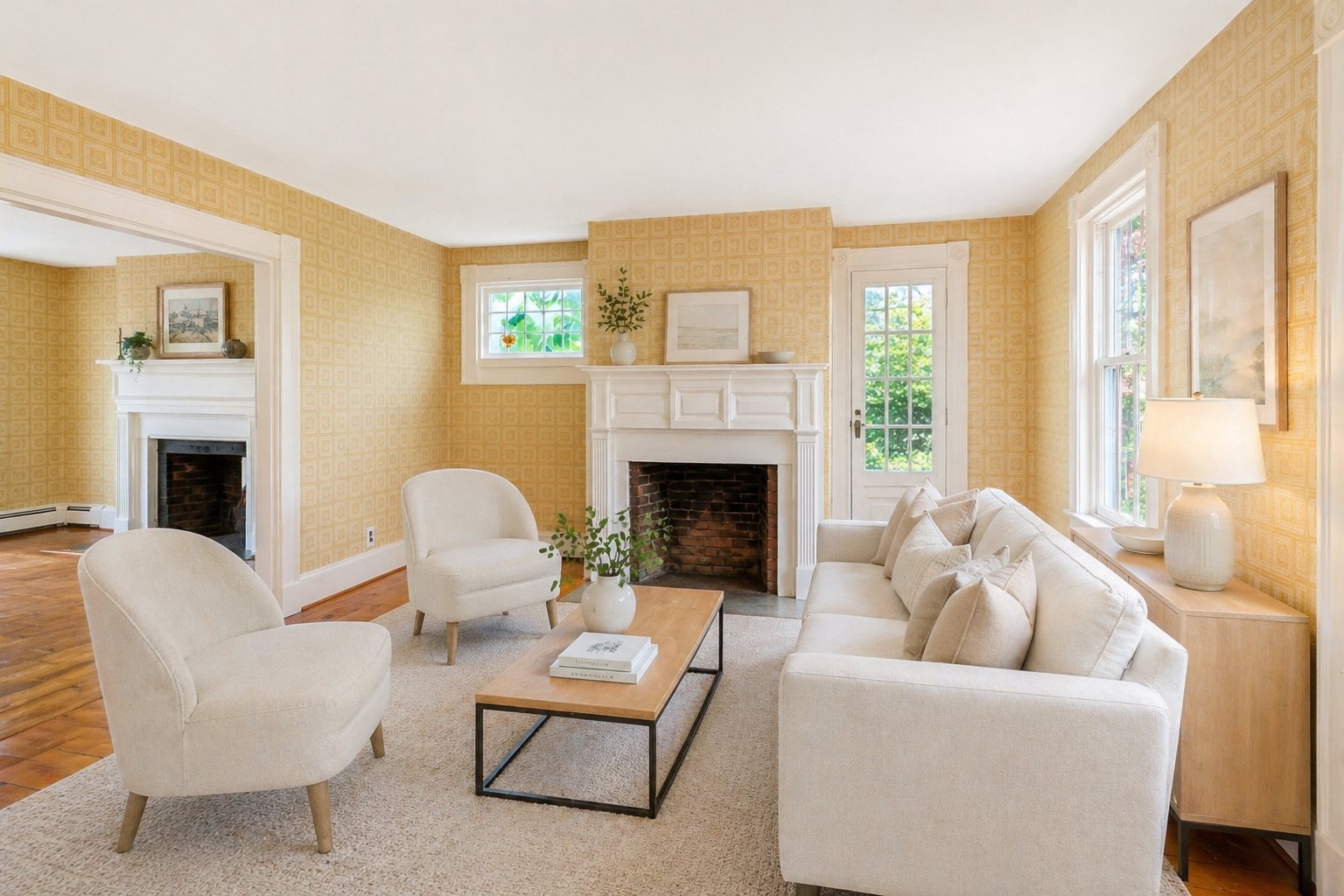
The Sun-Lit Parlor

Deep-set 12/12 windows · Period wallpaper
Yellow parlor — as it stands today
Yellow parlor — reimagined
As It Is
Reimagined

The Double Sitting Room

Two original fireplaces · Wide-plank pine
Sitting room — as it stands today
Sitting room — reimagined
As It Is
Reimagined

The Guest Bedroom

Hand-built mantel · Wide-plank floors
Guest bedroom — as it stands today
Guest bedroom — reimagined
As It Is
Reimagined

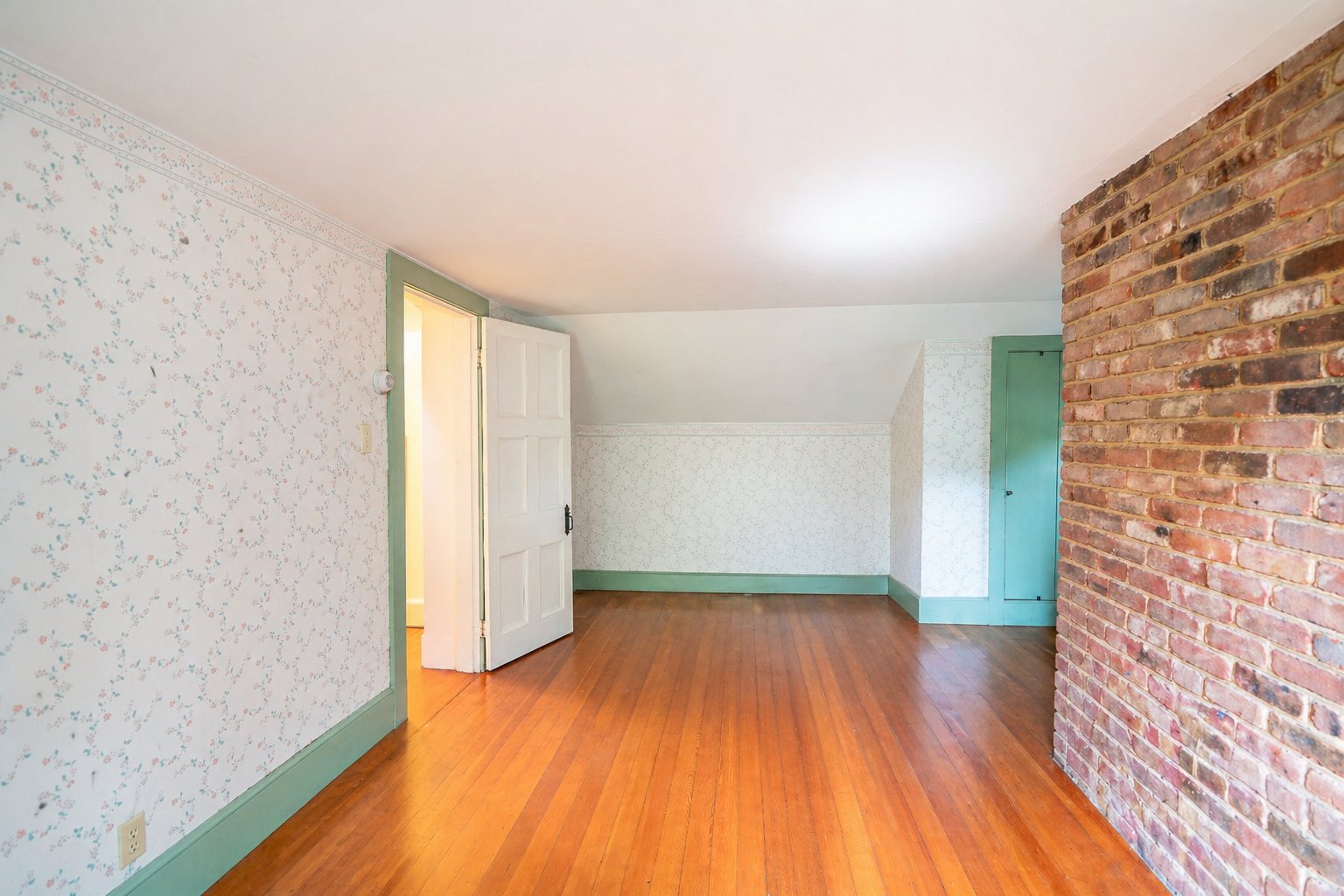
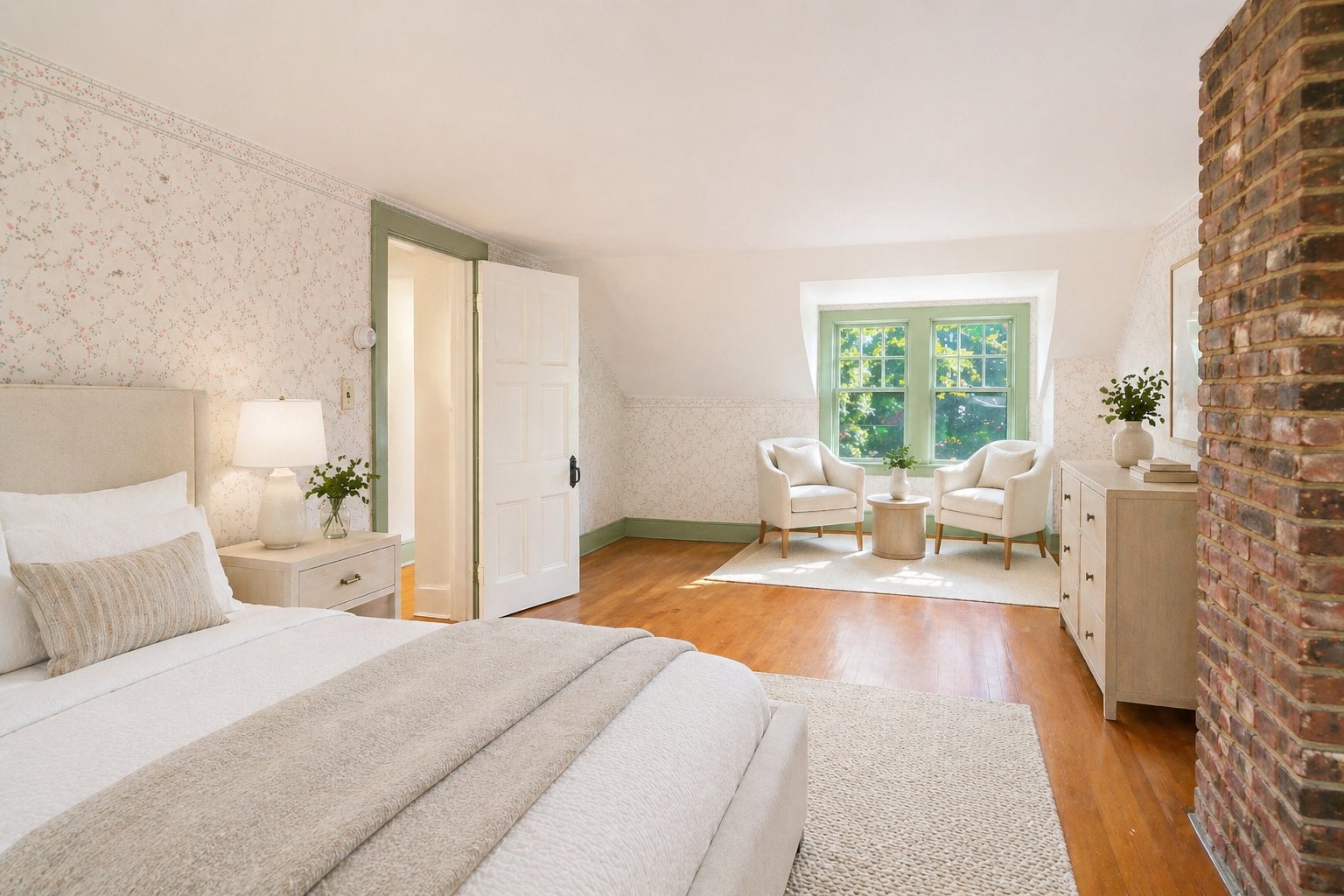
The Floral Bedroom

Period floral wallpaper · Exposed brick chimney
Wallpaper bedroom — as it stands today
Wallpaper bedroom — reimagined
As It Is
Reimagined

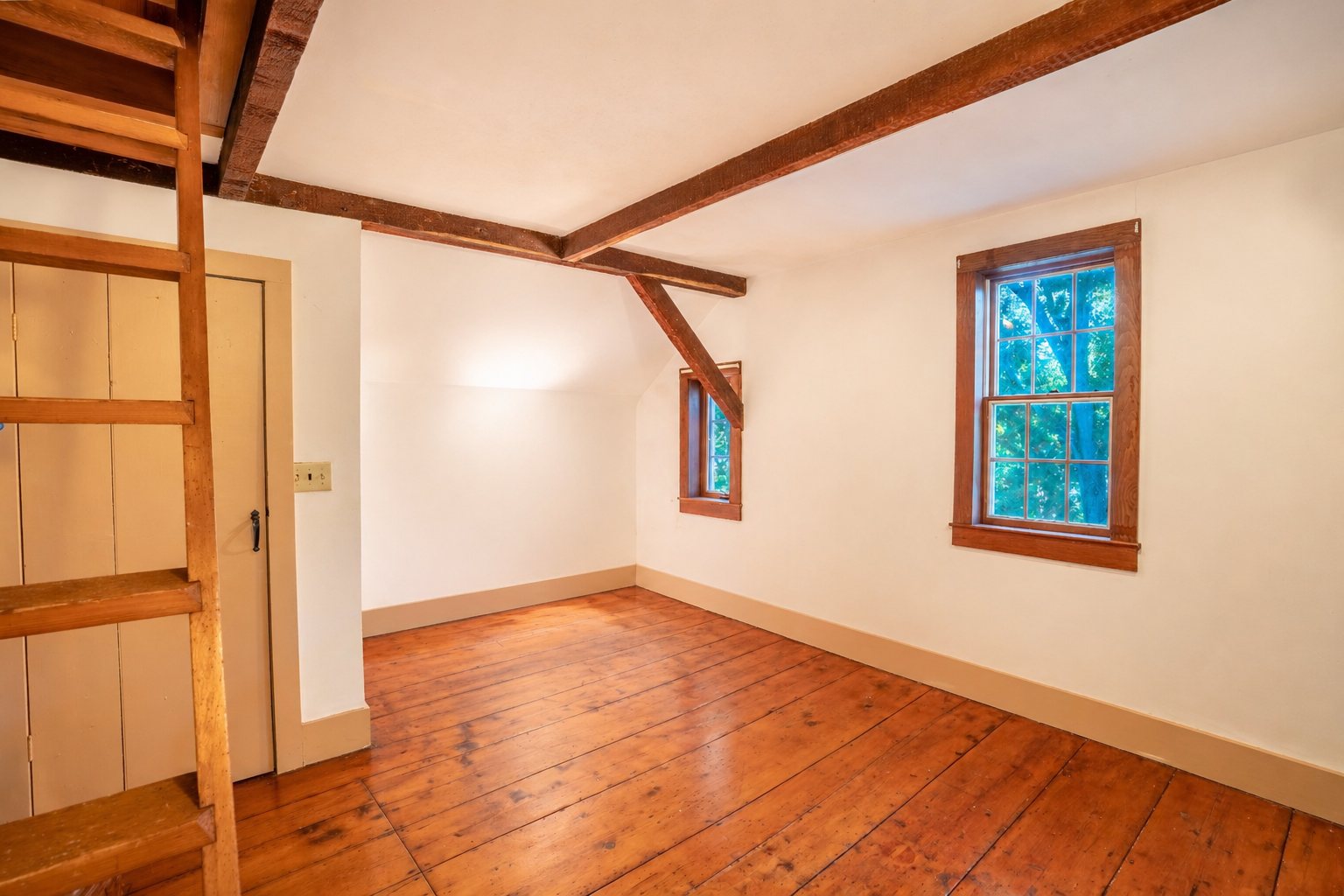
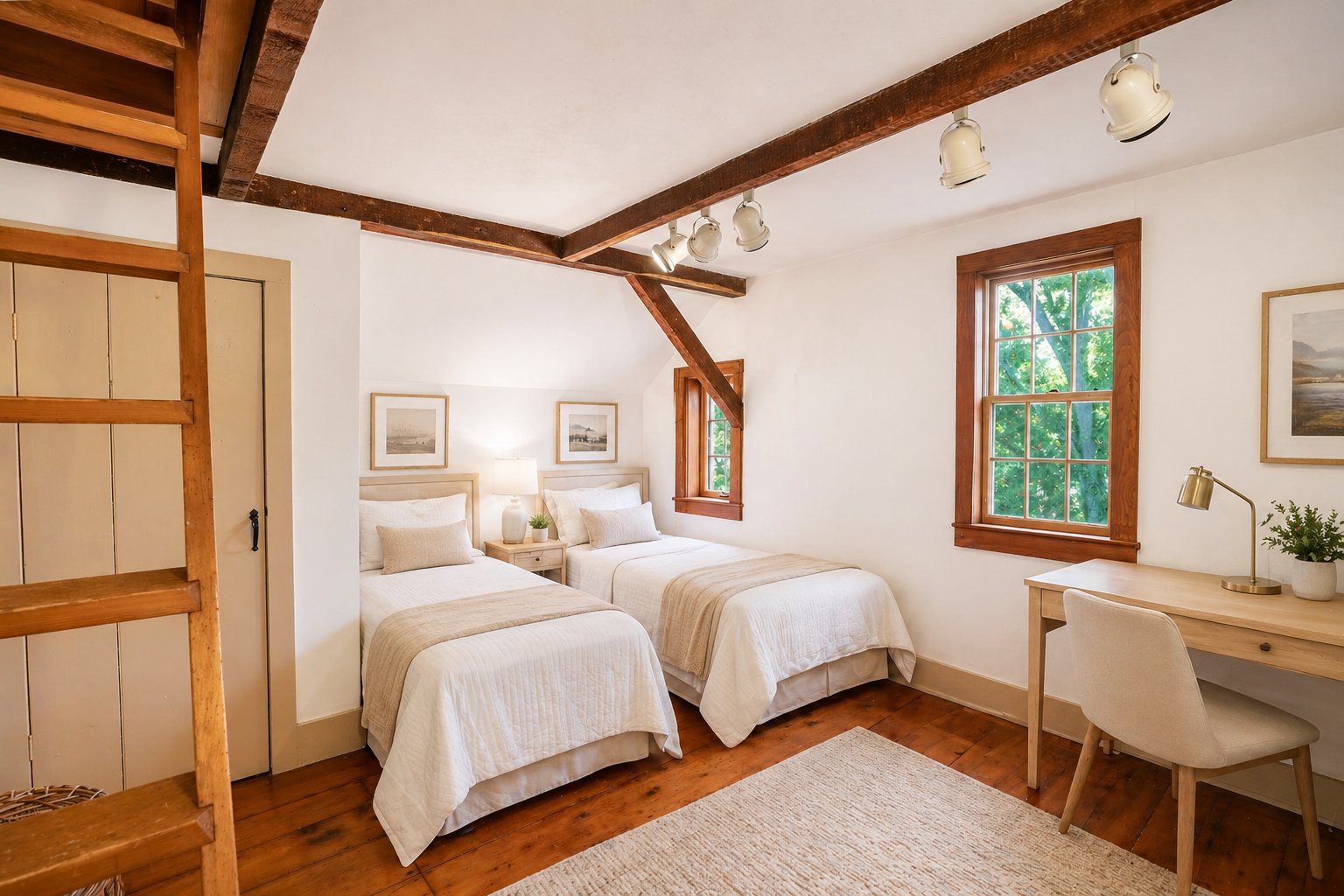
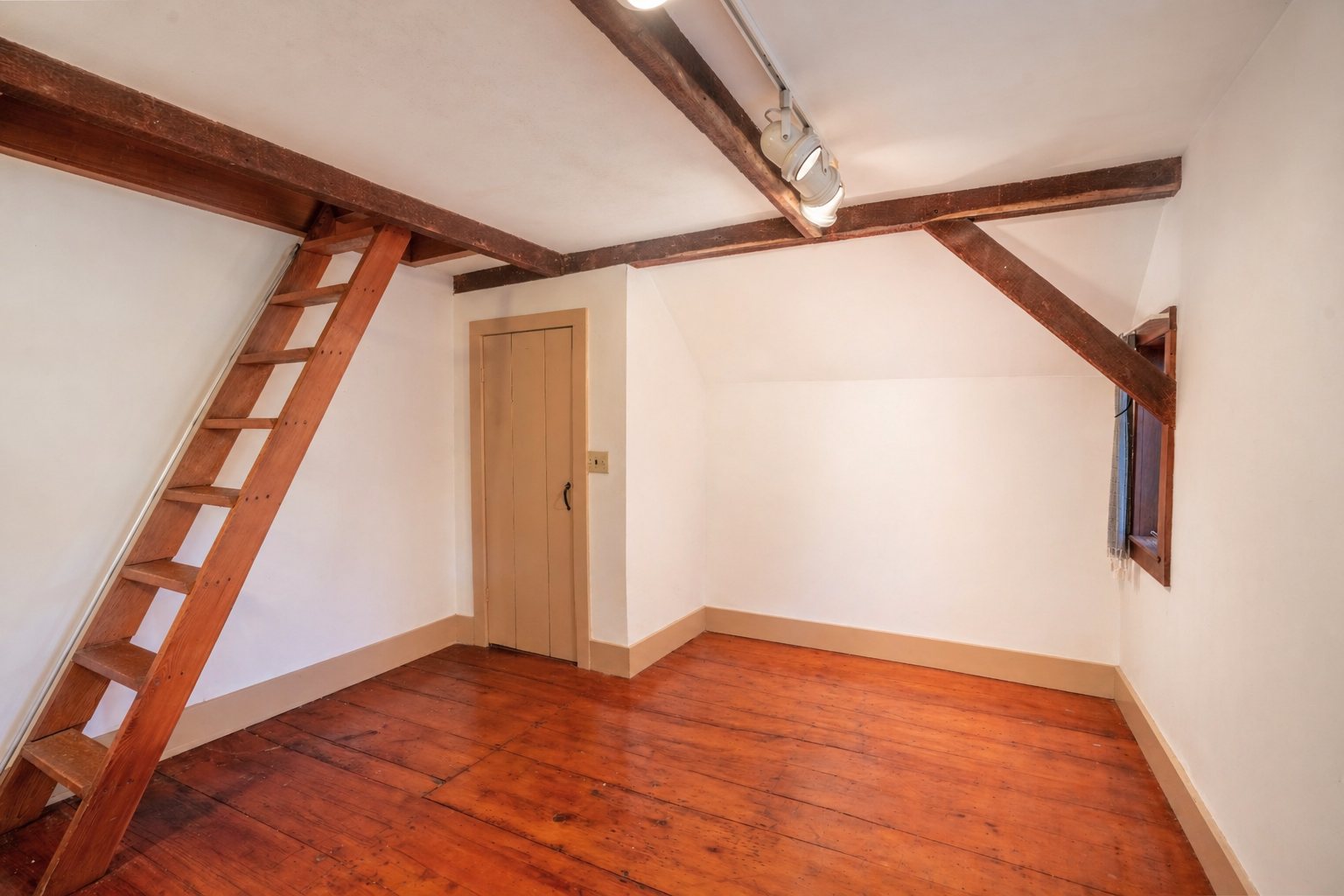
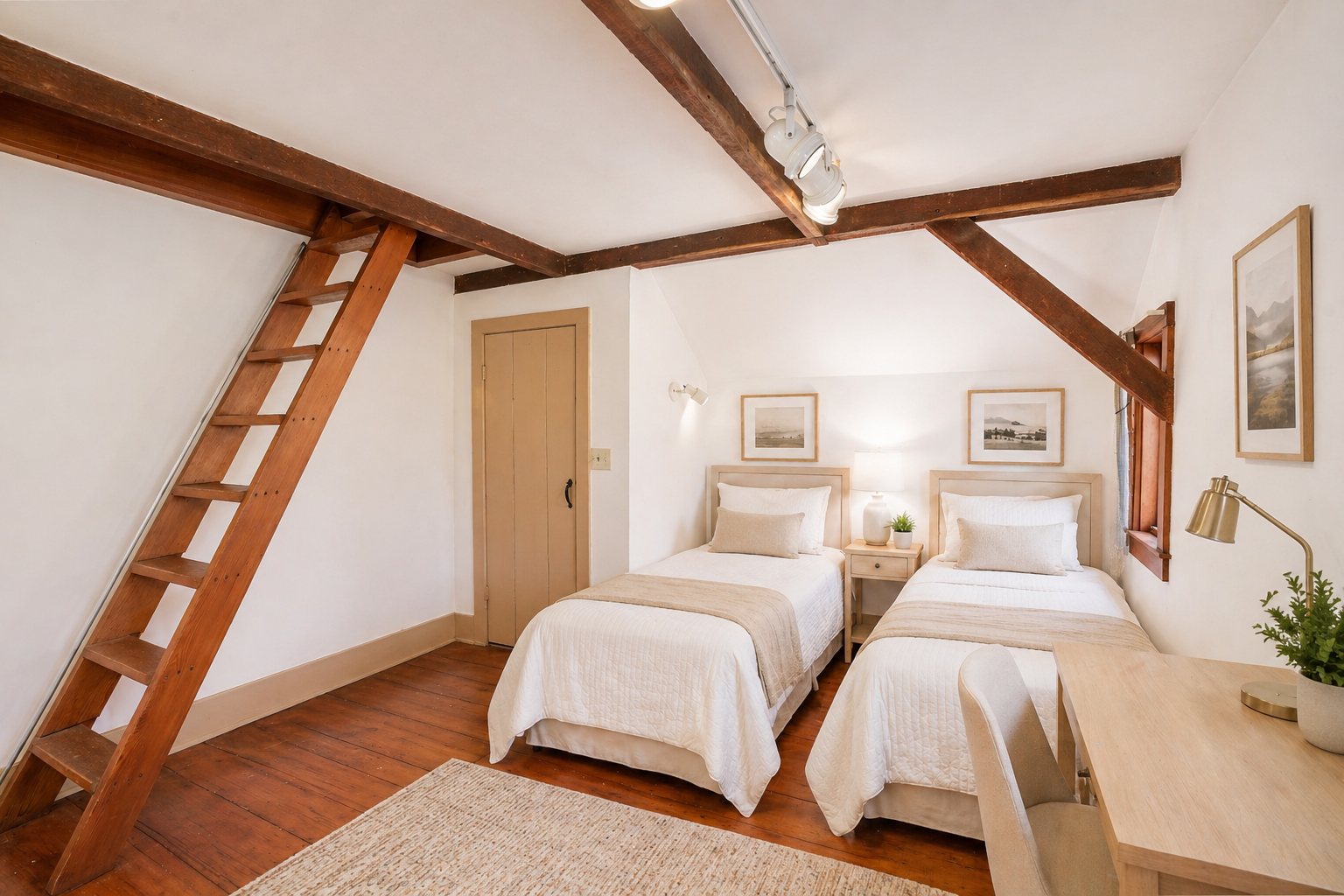
The Upper Bedroom

Original ladder to loft · Exposed beams
Upper bedroom — as it stands today
Upper bedroom — reimagined
As It Is
Reimagined

The Loft Bedroom

Hand-hewn rafters · Wide-plank floors
Loft bedroom — as it stands today
Loft bedroom — reimagined
As It Is
Reimagined
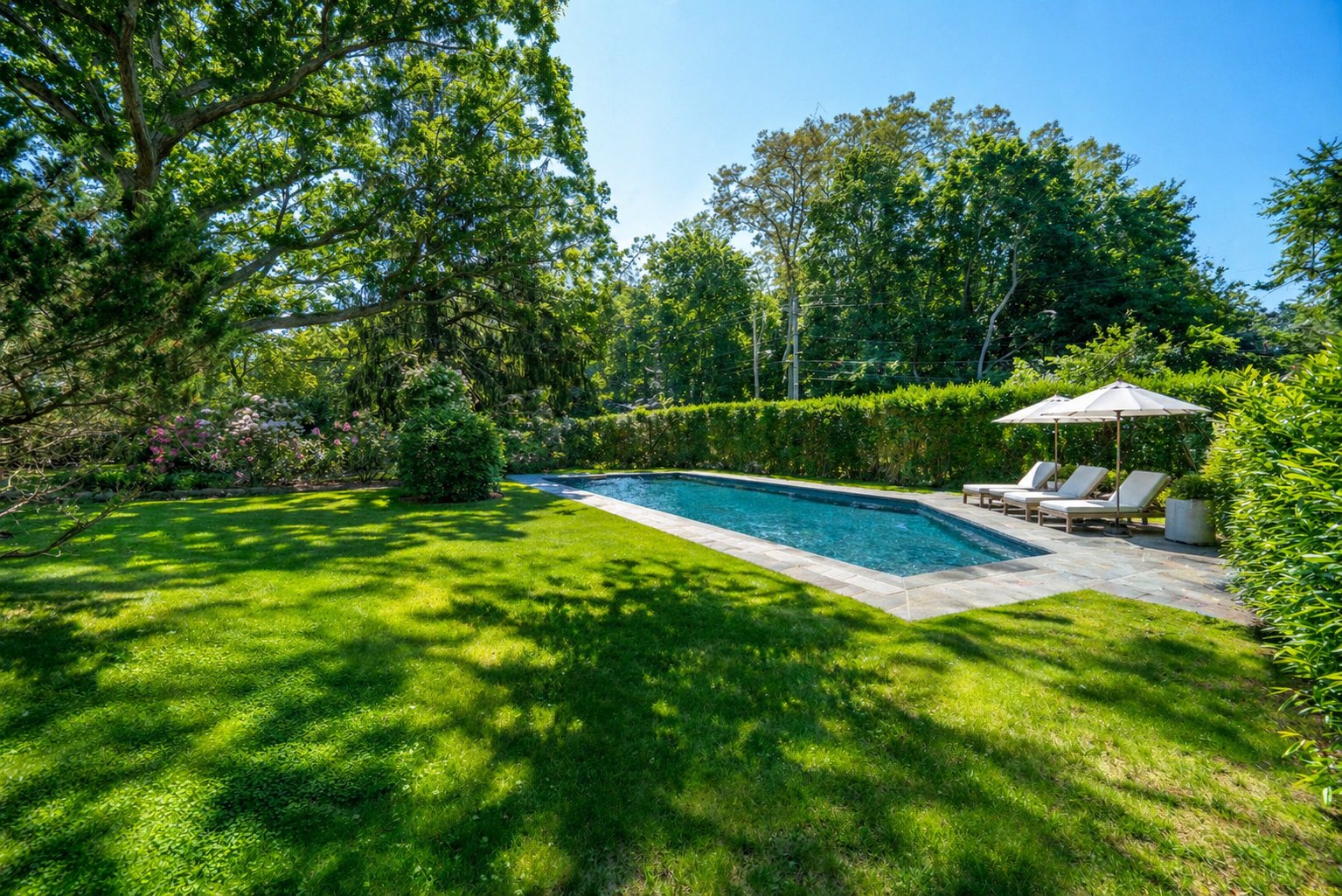
A Garden Reimagined

The half-acre, with a pool quietly added.

An illustration of how a discreetly placed pool would sit within the existing mature plantings — without disturbing the historic carriage house or the front facade.

The half-acre garden, reimagined with a pool
Conceptual rendering · Pool placement on existing rear lawn
Four Centuries on One Property

The history that survives here.

From the founding of Southold, through the British occupation of 1776, the manumission of Elymus Reeve in 1813, and into the modern North Fork — every era has left its mark on these grounds.

Era One

Founding & Early Reeve Ownership

1640

Southold & Mattituck are founded.

English colonists from Connecticut found the Town of Southold — the first English settlement in New York State. The meadowlands that will become Mattituck are used as shared pasture, setting the rural, agricultural tone that still defines the North Fork today.

1661–62

Mattituck lands are laid out.

Southold divides its common lands into individual allotments running from Mattituck Creek to the Sound. These early grants shape the future footprint of the Reeve family farm and the land where 750 Reeve Avenue now stands.

Late 1600s

The Purrier–Reeve "Great Farm."

William Purrier assembles a 400+ acre farm at Mattituck. His grandson James Reeve is placed on the property and later inherits the "dwelling house, lands and meadows," establishing the long Reeve connection to this landscape.

1715

A church, a cemetery, a family anchor.

The Mattituck Presbyterian Church is organized. Parishioner James Reeve 2nd donates land for the burying ground, tying the Reeve name permanently to the spiritual and social center of the hamlet.

c.1760

The homestead is built.

Construction of the timber-frame house that survives today as 750 Reeve Avenue. Built during the colonial period, the home sits within the heart of the multi-generation Reeve farm at Mattituck.

Era Two

The Revolutionary War & British Occupation, 1775–1783
1776

War reaches the North Fork.

Following the Battle of Long Island, British forces occupy Southold. Fertile farms — including the Reeve holdings — are turned into a "breadbasket" to supply troops based in New York City.

1776–80

Refugees & divided loyalties.

Nearly half of Southold's residents flee across Long Island Sound to Connecticut as "refugees of 1776." Members of the extended Reeve family appear on militia rolls and refugee petitions, while other relatives likely remain on the Mattituck farm to safeguard the homestead.

1776–83

Mattituck under military rule.

British troops are stationed in and around Mattituck; the hamlet serves as an administrative hub. The Reeve farm lies within this occupied zone, its fields and livestock subject to requisition and patrols.

1776–83

The creeks as lifelines.

Mattituck Creek and nearby inlets become covert crossing points between Patriot Connecticut and occupied Long Island. Families and supplies move quietly along the same shoreline that frames the wider Reeve estate today.

1783

Peace, & a return.

With the war's end, refugees return to find farms strained by debt and wartime damage. The Reeve property endures through this upheaval, remaining in family hands and continuing as a working North Fork farm.

Era Three

19th Century — Farming, Faith & Freedom

1783–1813

Slavery & a path to freedom.

Like many large Long Island farms, Reeve-held lands rely in part on enslaved labor. In 1813, Elymus (Limas) Reeve — born enslaved in Southold Town — is formally manumitted, his freedom recorded in town documents.

1810s–70

Elymus Reeve, farmer & community leader.

After manumission, Elymus establishes his own farm along Main Road in Mattituck and becomes a respected farmer and lay religious leader. His son, Reverend John B. Reeve, later becomes a professor at Howard University. A New York State historic marker on Main Road today commemorates this chapter.

Mid-1800s

The village grows around the farm.

Mills, shops and homes begin to cluster around Main Road and Mattituck Creek. Through it all, the Reeve farms remain reference points in local descriptions — evidence of their enduring size and importance.

1858

The Mattituck map is published.

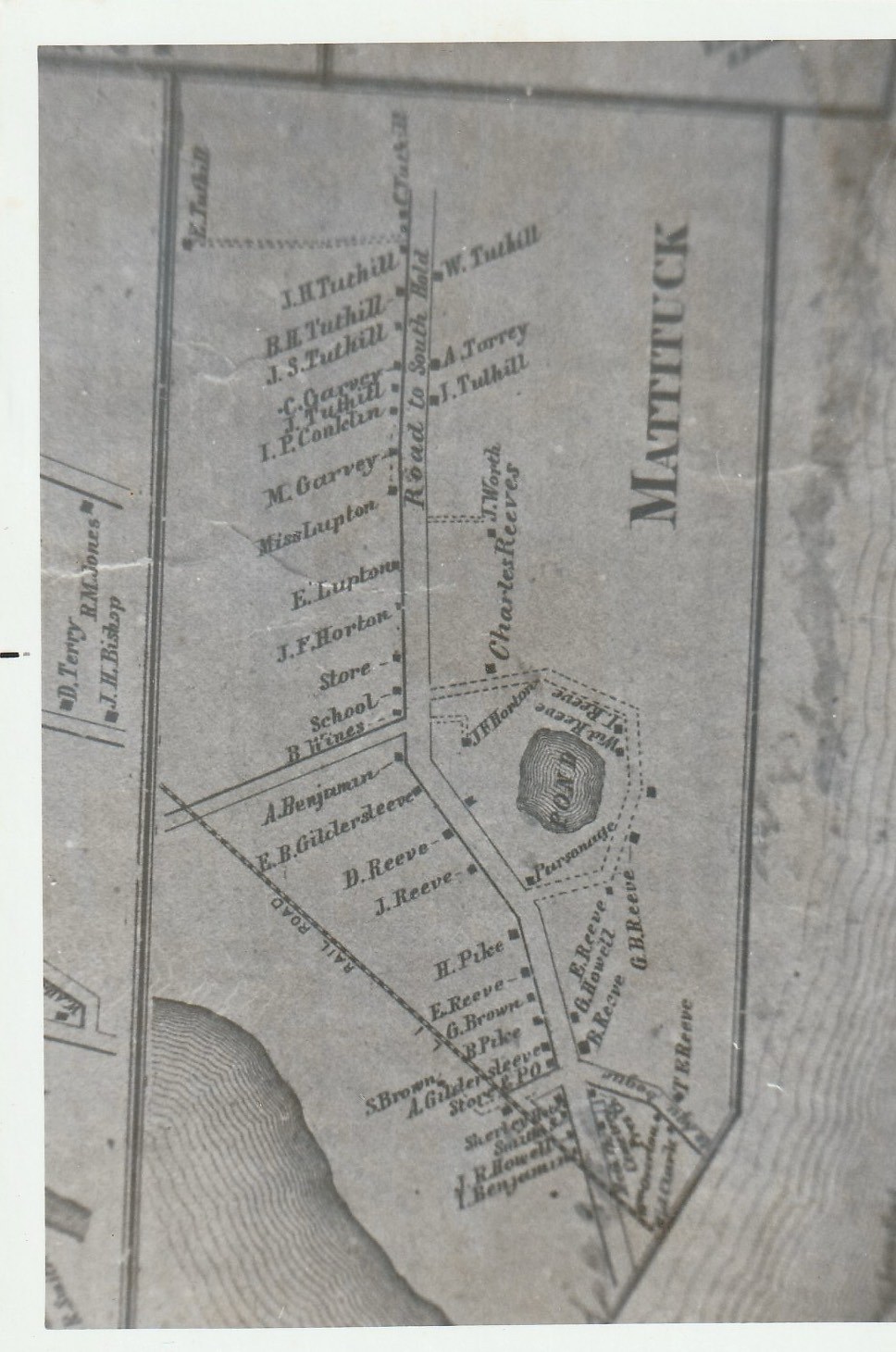
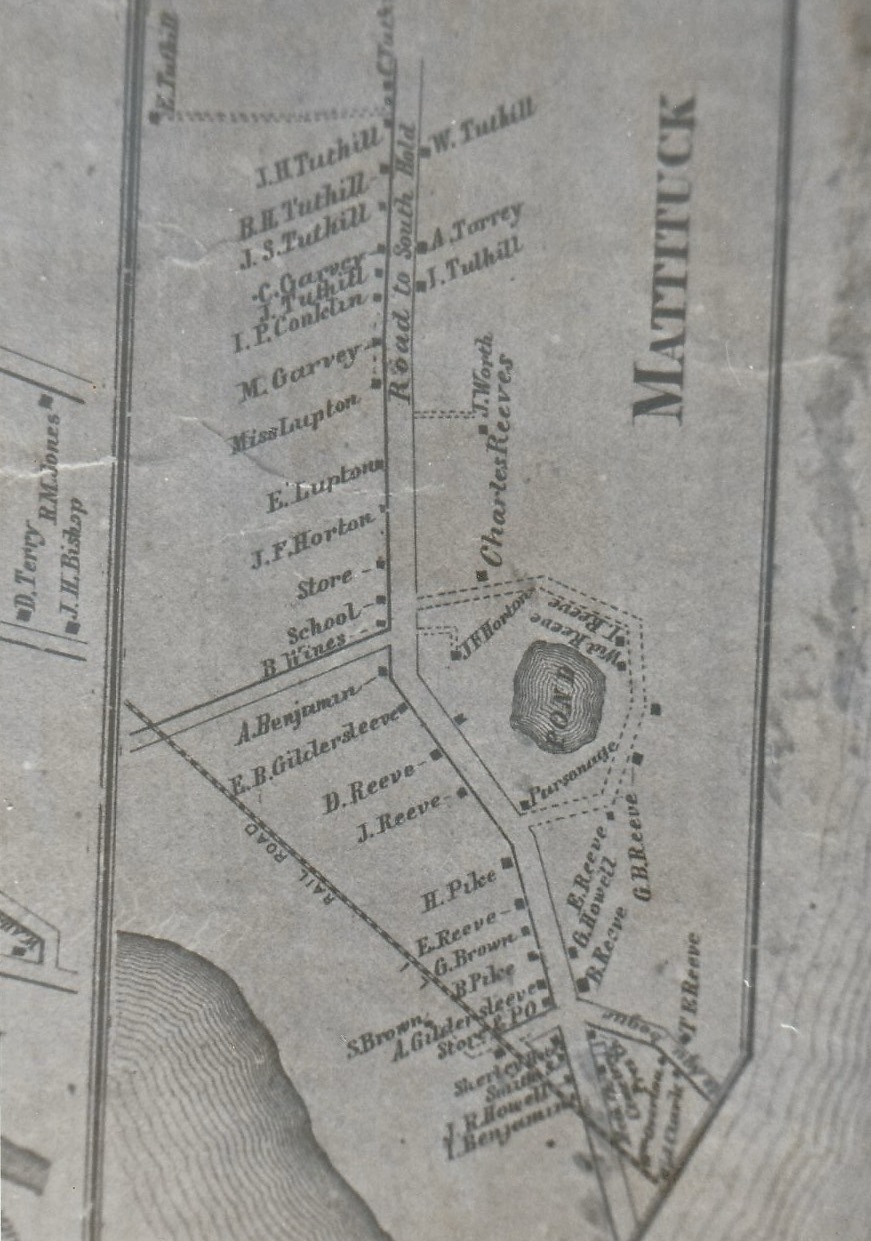
An 1858 map of Mattituck — included in the historic record below — clearly identifies multiple Reeve parcels along what is now Reeve Avenue, including the property on which 750 Reeve Avenue stands.

Era Four

Subdivision, Preservation & the Modern Home

Late 1800s

From great farm to village neighborhood.

As transportation improves and tourism grows, large estates on the North Fork slowly subdivide. Portions of the historic Reeve farm become smaller homesteads along what will be known as Reeve Avenue, while core agricultural parcels remain in cultivation.

1906

History captured in print.

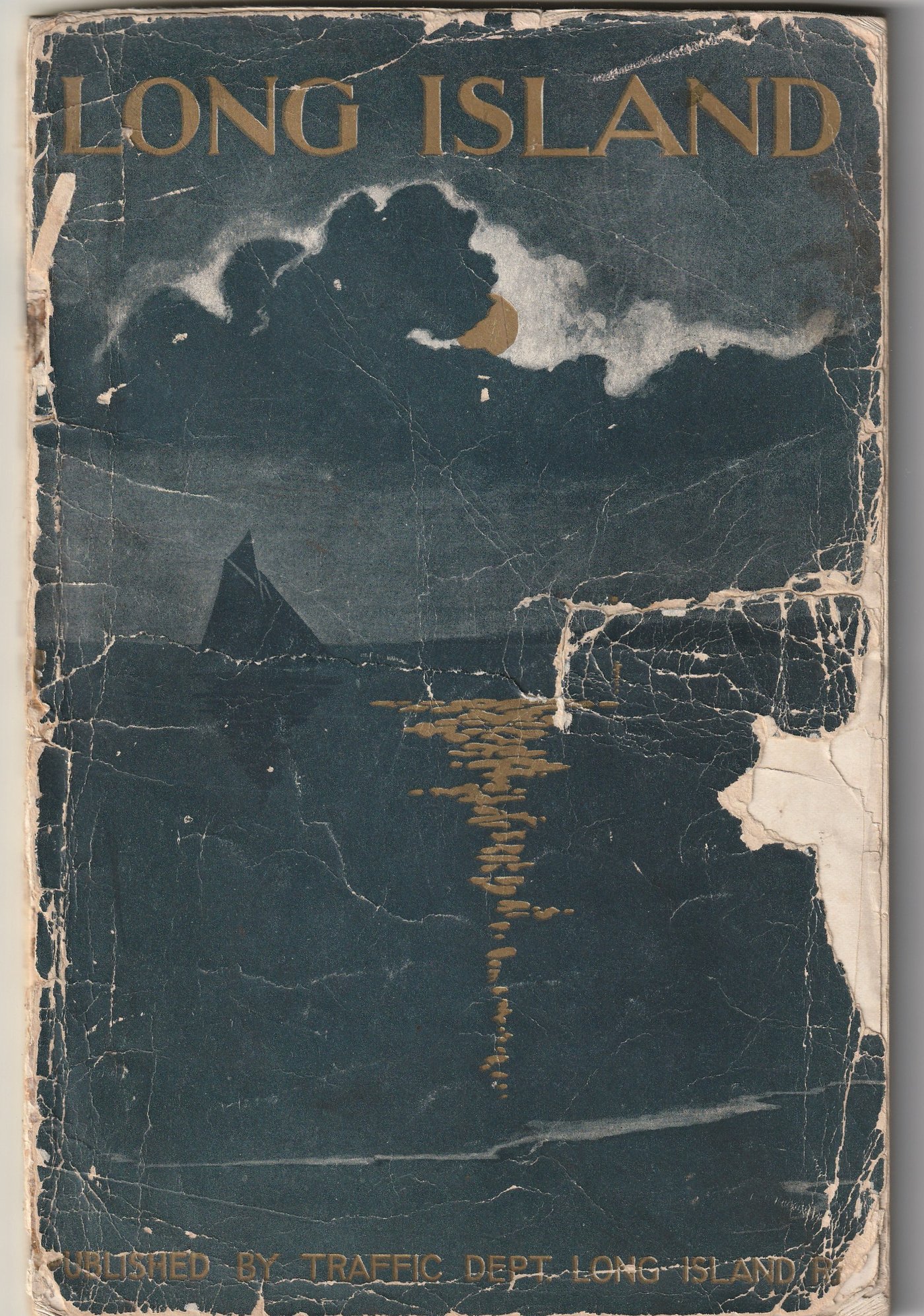
Rev. Charles E. Craven publishes A History of Mattituck, Long Island, N.Y., noting that six generations of James Reeve's descendants have retained most of the original "great farm." The book preserves the memory of the Reeve estate and its central place in the hamlet.

Late 20th c.

Recognized as a landmark.

Southold's historic preservation efforts identify the Reeve-Pim House on Reeve Avenue as a significant 18th-century dwelling tied to one of the town's founding families. The property is formally inventoried by the Town of Southold Landmarks Preservation Commission as MK-84.

2020s

Honoring the Reeve story.

A New York State historic marker on Main Road commemorates Elymus Reeve, while local records recognize 750 Reeve Avenue as a circa-1760 home set within the original Reeve family estate at Mattituck — where centuries of North Fork history converge on a single property.

The descendants of James Reeve had retained most of the great farm.
Rev. Charles E. Craven · A History of Mattituck, Long Island, N.Y., 1906
1858 map of Mattituck showing Reeve family parcels along Reeve Avenue
Map of Mattituck, 1858 — Charles, J., D., E., G.B. & Pike Reeve parcels along Reeve Avenue
A Document of the Land

Six generations on one farm.

The 1858 map of Mattituck names the Reeve family on parcel after parcel along what is now Reeve Avenue — including the land on which 750 Reeve Avenue stands. By 1906, the historian Rev. Charles E. Craven could write that the descendants of James Reeve had retained "most of the great farm" for over two hundred and fifty years.

The home you see today survives from that same continuous chapter — a chapter that began before the United States and continues, intact, into the twenty-first century.

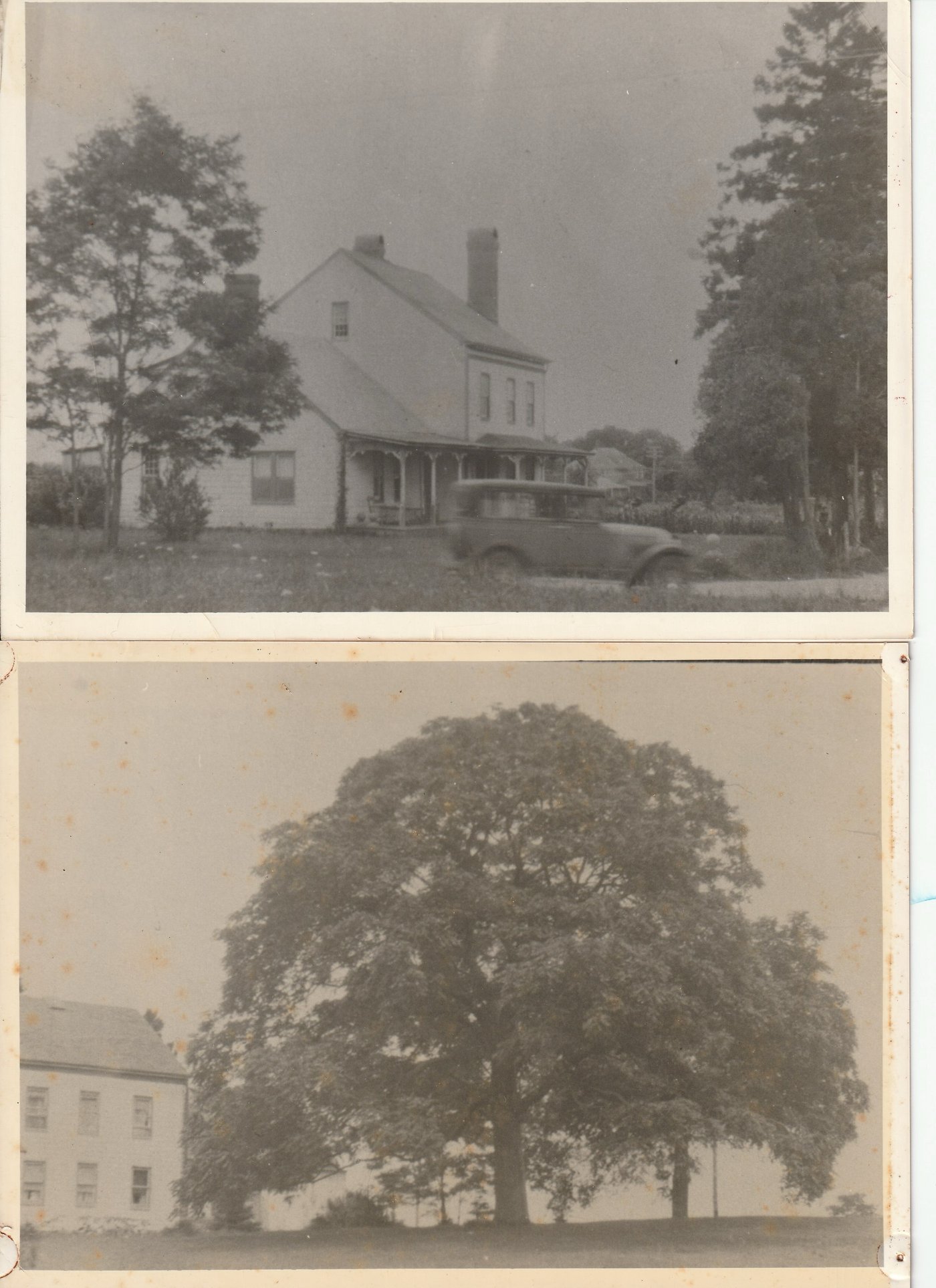
The Reeve-Pim House. The home was occupied by the Pim family from the late twentieth century, and is recorded in town documents as the "Reeve-Pim House." It has been continuously cared for, restored where necessary, and lived in as a working family home — never abandoned, never gut-renovated. Its woodwork, plaster, wrought-iron hardware, and 12/12 windows remain almost entirely original.

Three Decades, Unchanged

The same facade, thirty years apart.

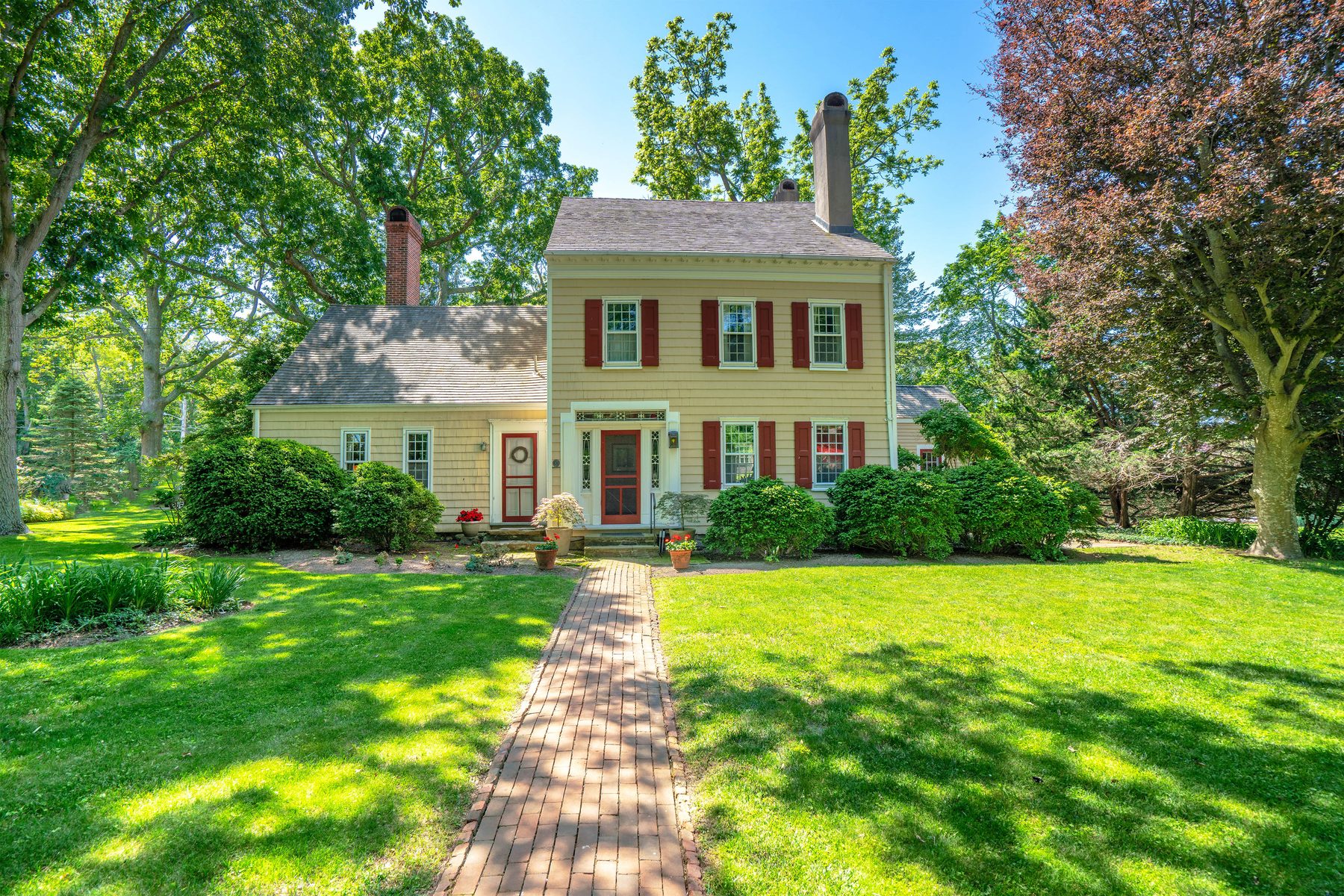
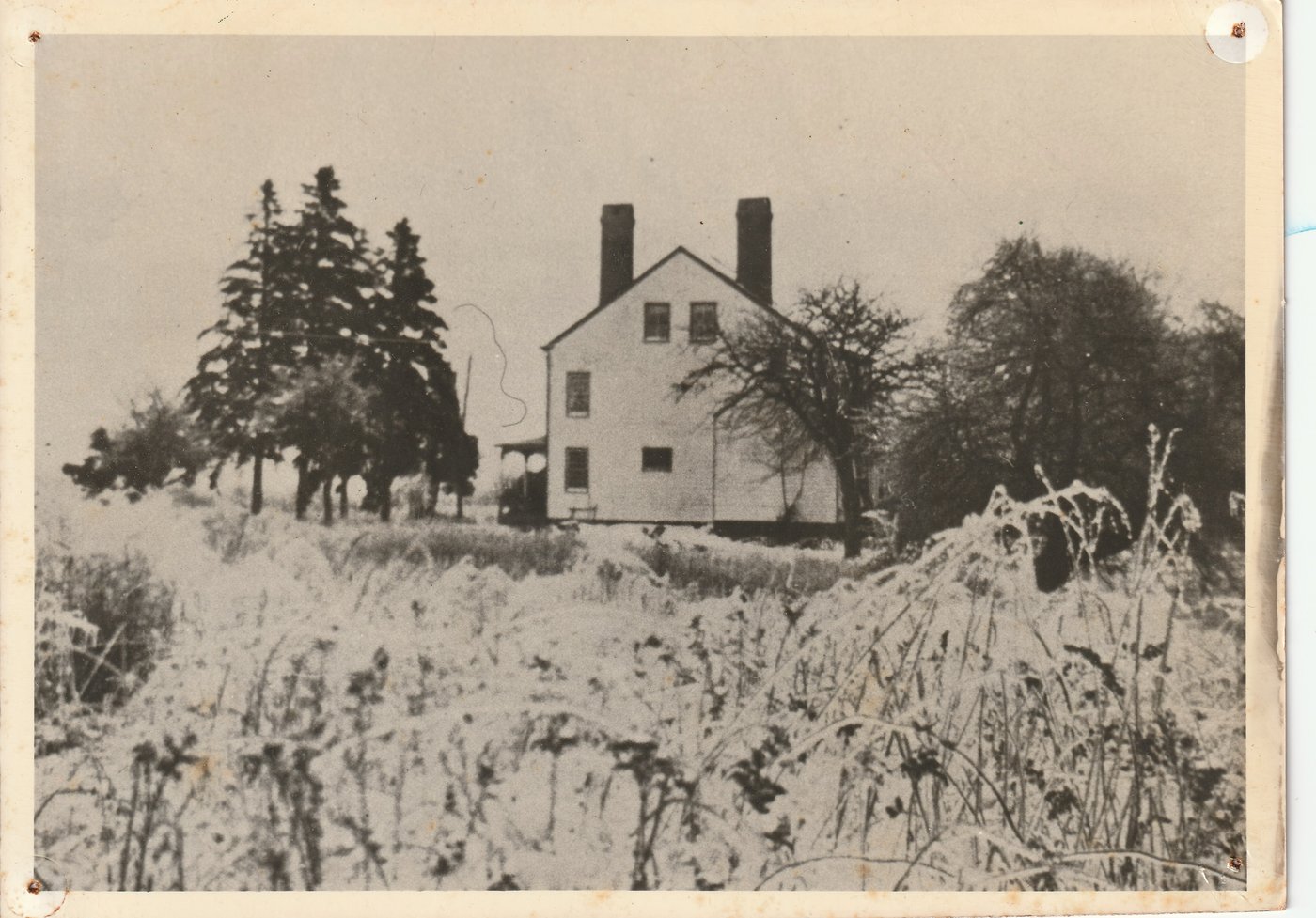
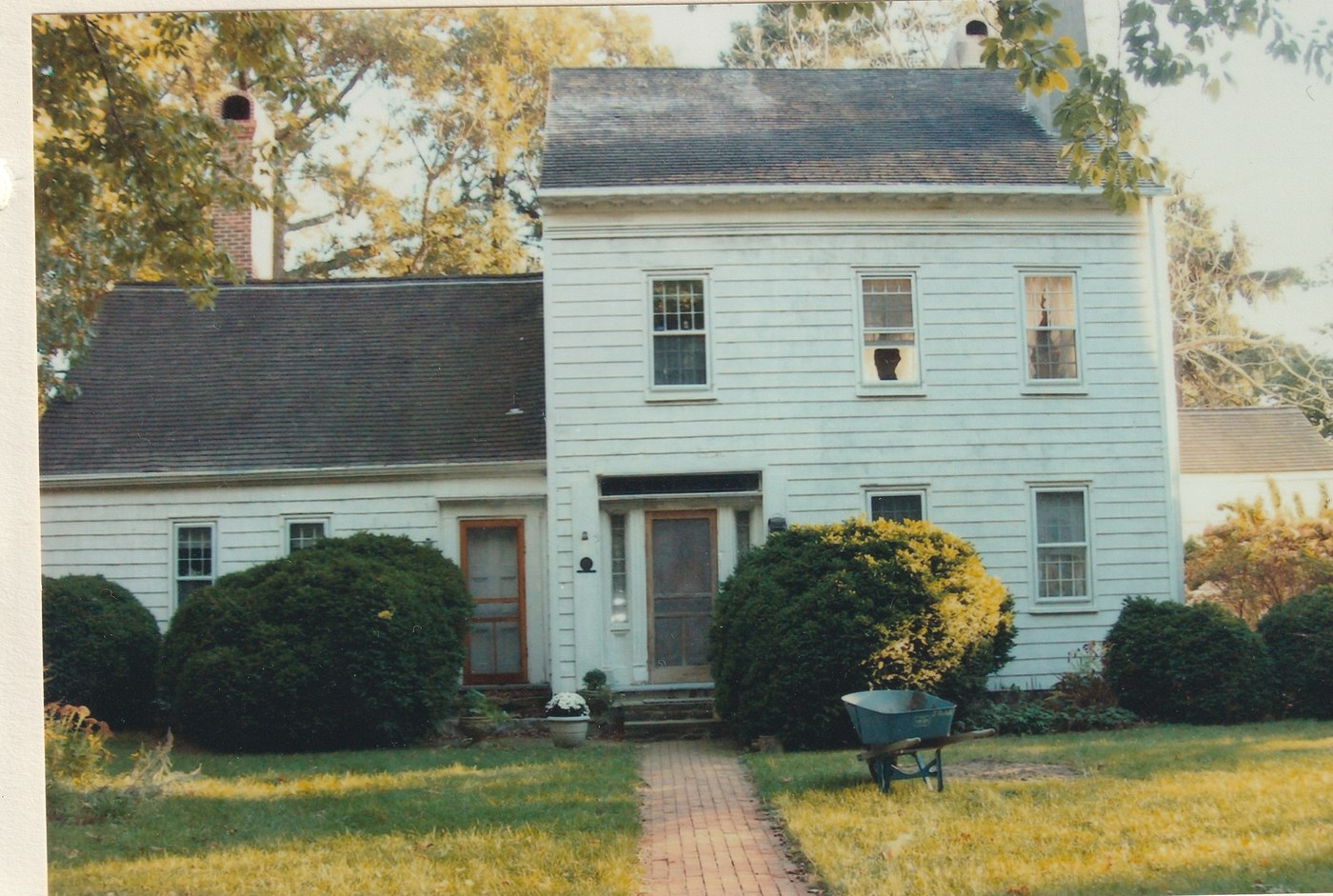
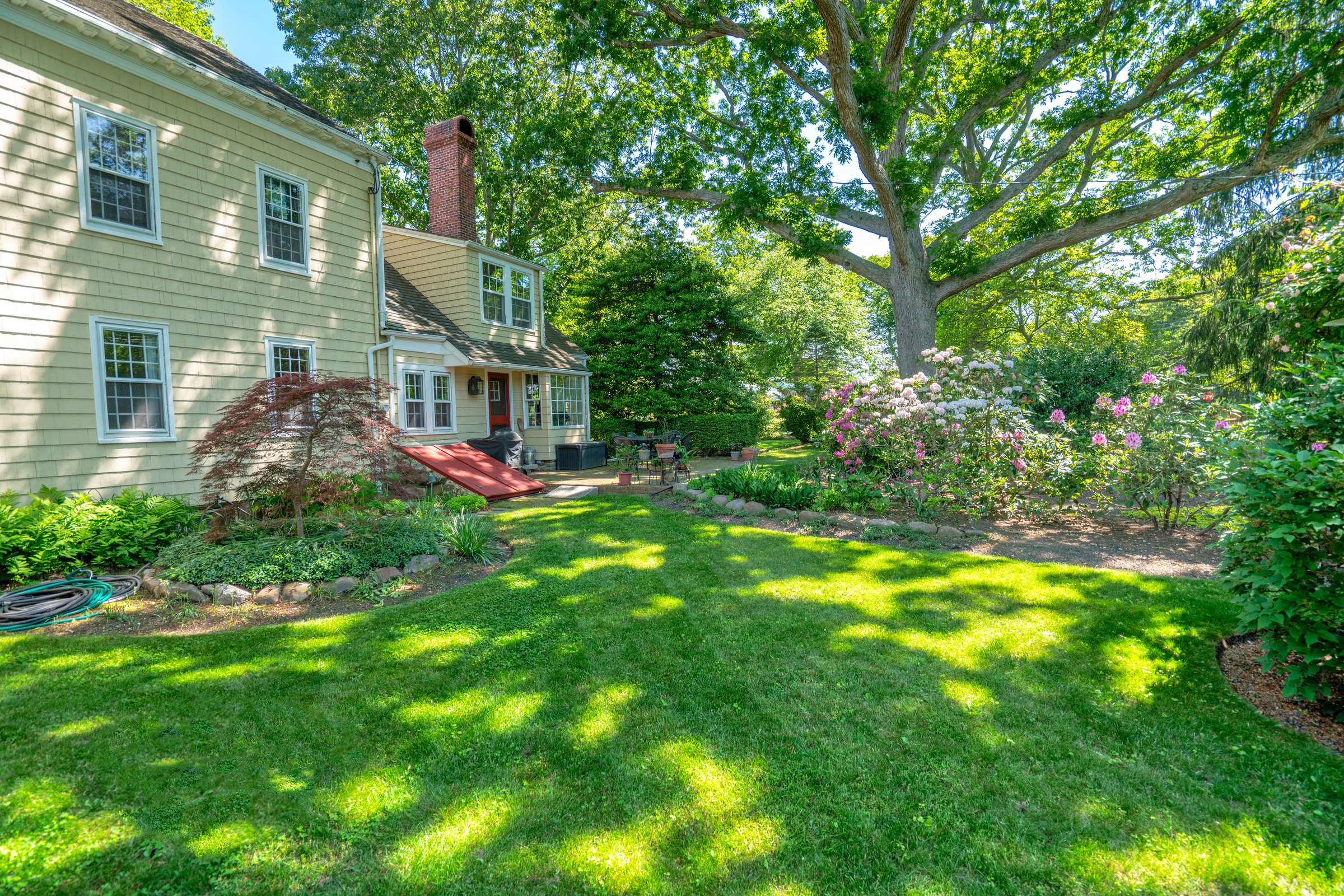
A snapshot from a family album in the 1990s alongside the house today. Untouched in form, lovingly maintained in detail.

The front facade in the 1990s
1990s · Family Album
The front facade today
Today · 2026
The North Fork

A property set between water and water.

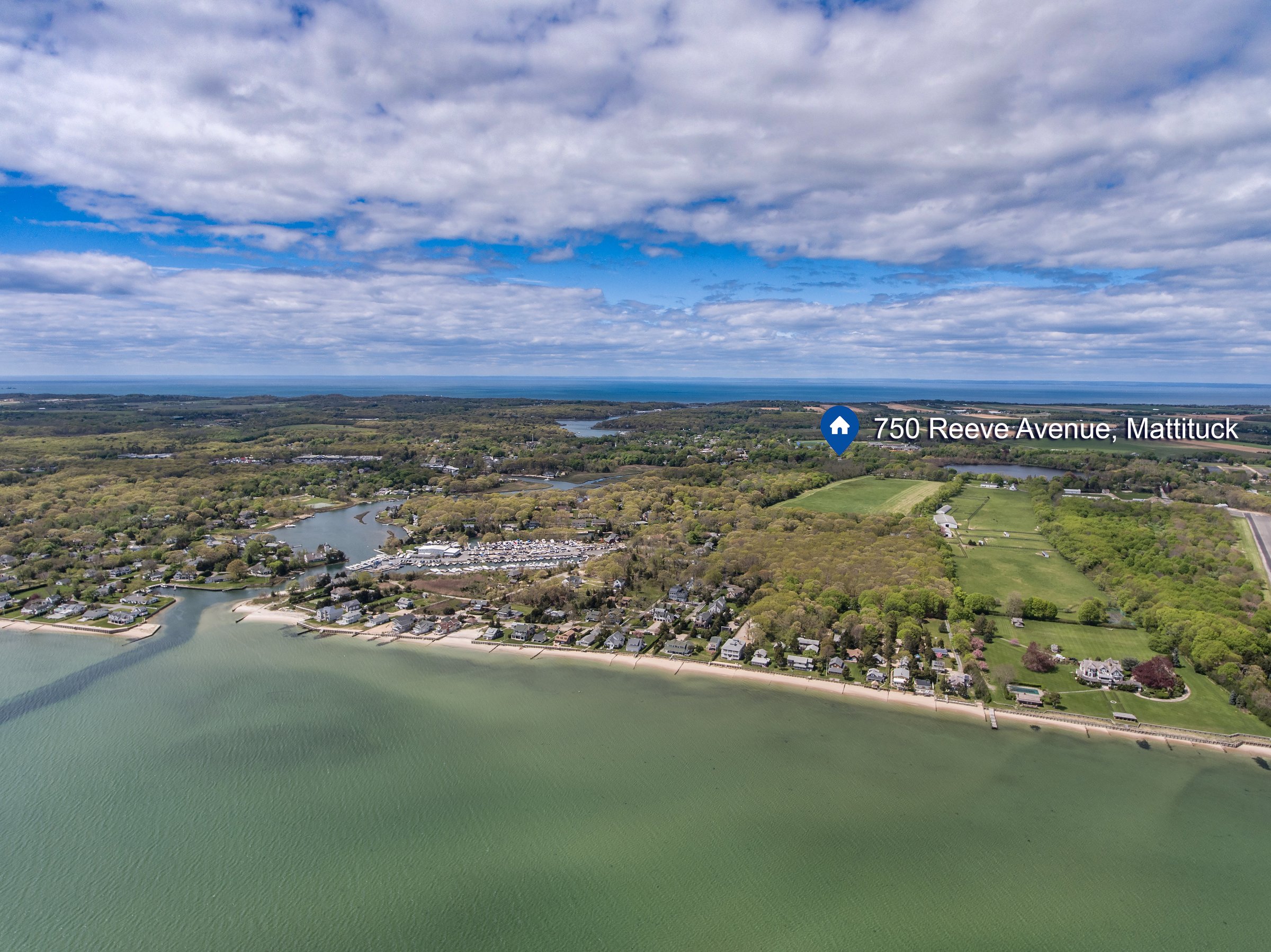
750 Reeve Avenue sits on the southern edge of Mattituck — the original heart of the Reeve estate — minutes from Marratooka Lake to the west, the Bay to the south, and the Long Island Sound to the north. Vineyards, oyster farms, and the working harbors of Mattituck Creek define the surrounding miles.

Aerial view showing 750 Reeve Avenue on the North Fork
Aerial view · 750 Reeve Avenue, Mattituck
Love Lane shops
5 min · drive
Mattituck Inlet
7 min · drive
Lieb Cellars vineyard
8 min · drive
Bailie Beach (Sound)
10 min · drive
Greenport village
20 min · drive
North Ferry (Shelter Island)
25 min · drive
Orient Point ferry to CT
35 min · drive
Manhattan (Penn Station)
2 hr 15 · LIRR
Inquiries Welcome

A private showing of the Reeve-Pim House.

Available by appointment. Please reach out for the full property package, comparable sales analysis, and to arrange a private viewing.

Alexander Aquino · with Jill
Douglas Elliman Real Estate
Request a Showing